Best Value Robot Vacuum With Camera Mapping in 2026
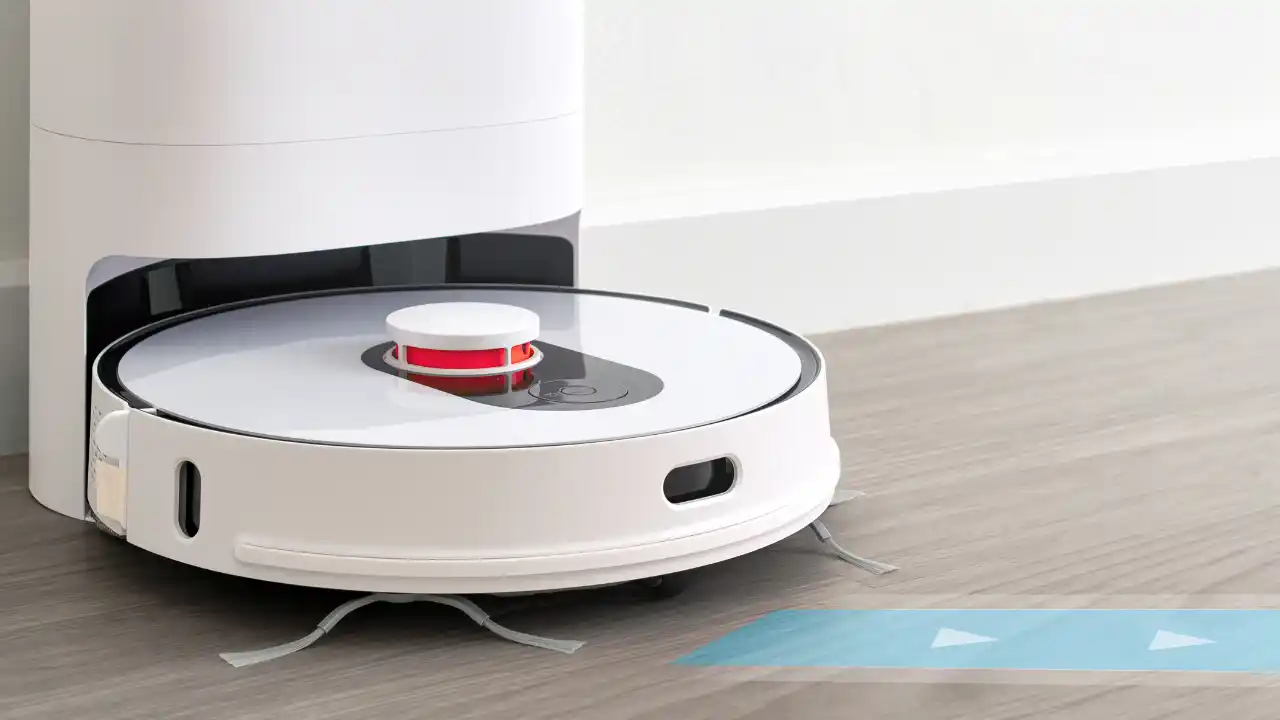
LiDAR robot vacuums map a home well, but that spinning turret on top adds height and cost you may not need. We tested four camera-mapping robot vacuums to see which ones build an accurate room map without the LiDAR price tag.
Our Top Picks
| Recommendation | Product | Reason |
|---|---|---|
| Best Overall | Shark AV2501AE AI Robot Vacuum | Real AI room recognition at a fair mid-range price — Reviews ↓ |
| Best Budget | Shark Navigator Robot RV2120AE | Simpler camera navigation and self-empty for less — Reviews ↓ |
| Best for Reliability | iRobot Roomba Max 705 | PrecisionVision mapping from the most trusted robot brand — Reviews ↓ |
| Best Premium | ECOVACS DEEBOT T90 PRO OMNI | Camera AI navigation plus a dock that washes its own mop — Reviews ↓ |
Best Overall – Shark AV2501AE AI Robot Vacuum
This is the clearest example of camera mapping done right without flagship pricing. It builds a real AI map of your home and recognizes individual rooms, not just a grid.

- INCREDIBLE SUCTION: Powerful Shark suction picks up dirt and debris on all floor types—tackling even the toughest of messes in your home.
- NO SPOTS MISSED: With Matrix Clean Navigation, the vacuum cleans in a precise matrix grid taking multiple passes over dirt and debris for whole home, deep cleaning coverage.

Pros and Cons
| Pros | Cons |
|---|---|
| AI home mapping with real room recognition | No mopping function at all |
| 45-day bagless self-empty base | |
| True HEPA filtration | |
| Pet-specific cleaning modes | |
| Zone cleaning and scheduling by room |
Testing Results
Suction and carpet performance: Solid suction on both carpet and hardwood. It handled both surfaces in our floor checks without issue.
Mapping and navigation: This is the feature that earns it the top spot. The onboard camera builds an AI map and tags rooms by name instead of drawing a blind grid. Drop the lights low and it gets noticeably less confident.
Pet hair pickup: The pet-specific mode pulls hair off hard floors and carpet without much fuss.
Mopping performance: There isn’t one. Skip this model entirely if mopping matters to you.
Auto-empty function: The base holds 45 days of debris before you have to touch it.
App and scheduling: Once the AI map is built, you can schedule cleanings by individual room instead of just running the whole house every time.
Noise level: 66 dB on standard mode. Average for the category, not whisper quiet.
Real-world Usage
Day to day, this is the robot you set up once and mostly forget about. The room-by-room scheduling is the part that actually changes how you use it, since you can tell it to hit the kitchen after dinner without cleaning the whole house.
Where it struggles is in dim rooms at night. If you run it after dark with the lights off, expect some hesitation and a few missed spots near furniture legs.
Best Use Case
This fits pet owners and small families who want smart room control without paying flagship LiDAR prices. It is not the pick for anyone who also wants mopping built in, or for rooms that stay dark most of the day.
Verdict
For the price, this is the best demonstration of what camera mapping is supposed to do. It actually understands your floor plan instead of bumping around it, and the self-empty base means you are not constantly babysitting a full bin.
The low-light dip is real, so keep a lamp on if you run it in the evening. If pet hair on tile and carpet is your main concern, our guide to robot vacuums for pet owners covers a few more pet-focused options worth comparing.
Rating: 4.4 / 5
View on Amazon: Shark AV2501AE AI Robot Vacuum
Best Budget – Shark Navigator Robot RV2120AE
This one trades the AI room recognition for a simpler camera-based navigation system, and it shows up in the price. If you just want full-coverage cleaning without the smart extras, this is the one to look at.

- POWERFUL SHARK PERFORMANCE: Up to 50% more suction* and designed for carpets and hard floors. (*vs. competitor robot vacuum)
- UP TO 1.5X MORE COVERAGE*: SmartPath Navigation uses spot liDAR technology to precisely map your home and clean in a row by row pattern for maximum coverage compared to traditional robot vacuums (*vs. Shark ION)


Pros and Cons
| Pros | Cons |
|---|---|
| Camera-based Matrix navigation for full coverage | Less precise than the AI mapping on pricier Shark models |
| Self-cleaning brushroll | Mopping is basic and limited |
| Self-empty base | |
| HEPA filter | |
| Pet hair focused design |
Testing Results
Suction and carpet performance: Strong Shark suction that holds up across hardwood and carpet alike.
Mapping and navigation: This uses camera-based navigation instead of LiDAR, similar idea to the AI model above but without the room-recognition layer. It still covers a room methodically rather than bouncing around at random.
Pet hair pickup: The self-cleaning brushroll keeps fur from wrapping around the roller, which matters more than people expect.
Mopping performance: Basic. Don’t expect this to replace a real mop, it is more of a light pass than a deep clean.
Auto-empty function: Self-empty base means less manual dumping between runs.
App and scheduling: Standard app control with scheduling. Nothing experimental here, it just works.
Noise level: 66 dB, in line with the rest of this lineup.
Real-world Usage
This is the no-frills version of camera mapping. It still avoids walking into the same wall four times, but you lose the room-by-room scheduling that makes the AI model feel smarter.
For a straightforward home without a complicated layout, that tradeoff barely registers. You get full coverage, a self-empty base, and a lower price.
Best Use Case
Good for budget-conscious buyers who want hands-off cleaning and don’t care about app-based room selection. Skip it if mopping is a priority or you have a multi-level home with tricky furniture.
Verdict
This is the honest budget option on this list. The navigation works, the self-empty base saves you a chore, and the price reflects what you’re not getting compared to the AI model above.
If pet hair is the bigger concern in your house, our roundup of quiet robot vacuums for pet hair is worth a look before you decide.
Rating: 4.1 / 5
View on Amazon: Shark Navigator Robot RV2120AE
Best for Reliability – iRobot Roomba Max 705
If brand trust matters more to you than chasing the newest mapping tech, this is the safe pick. iRobot’s PrecisionVision system has been refined over years of Roomba models, and it shows in how predictably this one moves through a home.
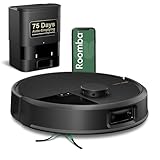
- DUAL BRUSHES, DOUBLE DIRT DESTRUCTION. Patented rubber brushes flex and adjust, staying in constant contact with all floor types. Paired with extreme power-lifting suction to loosen and lift any kind of mess.
- ELIMINATES DIRT & DUST. Powers through pet hair and more with anti-tangle Dual Rubber Brushes, an Edge-Sweeping Brush, Carpet Boost, and 180x more* extreme power-lifting suction. *In Spot Clean mode with a full battery, compared to Roomba 600 series robots

Pros and Cons
| Pros | Cons |
|---|---|
| PrecisionVision camera-based obstacle avoidance | Mopping is weak compared to Roborock or Dreame |
| Imprint Smart Mapping | |
| Strong carpet performance | |
| Clean Base auto-empty | |
| Pet-focused cleaning modes |
Testing Results
Suction and carpet performance: Carpet is where this model performs best. Suction auto-adjusts as it crosses from hard floor to rug.
Mapping and navigation: PrecisionVision is iRobot’s camera-based system for spotting obstacles, paired with Imprint Smart Mapping to learn your floor plan over repeated runs. It takes a run or two to build full confidence in a new layout.
Pet hair pickup: The pet-focused mode picks up fur well, especially on carpet where it tested strongest.
Mopping performance: Weak. If you want real mopping, this is not the model for that job.
Auto-empty function: The Clean Base handles emptying automatically between runs.
App and scheduling: The iRobot app handles scheduling and room selection through the same ecosystem long-time Roomba owners already know.
Noise level: 68 dB, the loudest of the four we tested here.
Real-world Usage
This one earns its place through consistency rather than flash. After the first couple of cleanings, it settles into your floor plan and rarely surprises you with a wrong turn.
The carpet performance stands out the most. If your home leans more carpet than hard floor, this is the strongest vacuum-only pick on this list for that specific job.
Best Use Case
Best for buyers who already trust the iRobot name and want predictable camera-based mapping over hard floors and carpet. Not the right choice if mopping is part of your routine, since that side of the machine is genuinely weak.
Verdict
You’re paying a bit of a premium for the Roomba badge, and the runtime is shorter than we’d like. What you get in exchange is a navigation system that has been tested across millions of homes, which counts for something if you’ve been burned by a flaky robot before.
For homes with more carpet than hard flooring, this pairs well with our deeper look at the best robot vacuums for pet owners if you want to compare carpet performance across more models.
Rating: 4.2 / 5
View on Amazon: iRobot Roomba Max 705
Best Premium – ECOVACS DEEBOT T90 PRO OMNI
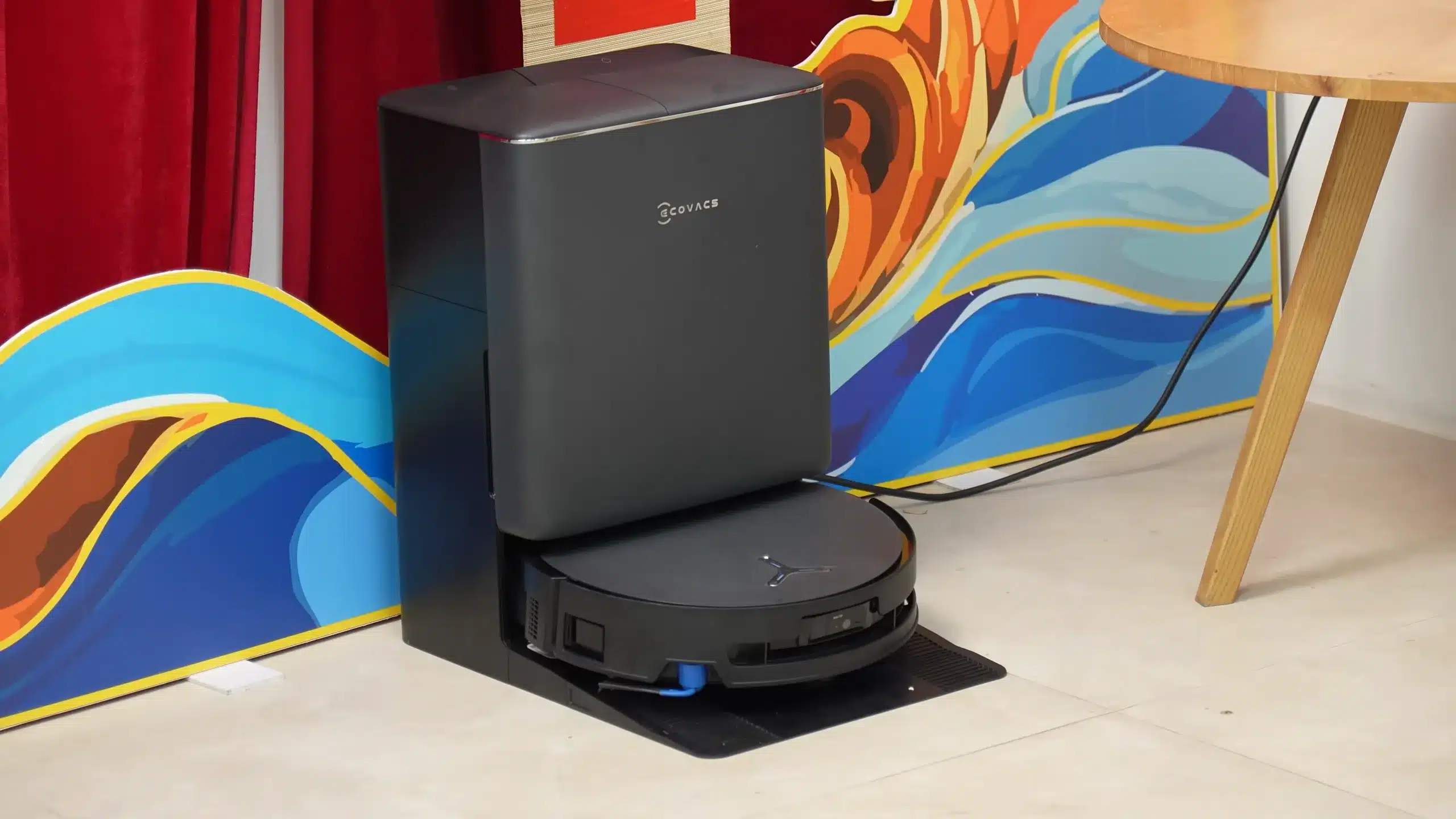
This is the splurge pick if you want camera-based AI navigation plus a dock that does almost everything for you. The AIVI system uses a camera to recognize objects in real time, not just a static map.

- 𝟯𝟬,𝟬𝟬𝟬𝗣𝗮 𝗕𝗟𝗔𝗦𝗧 𝗦𝗨𝗖𝗧𝗜𝗢𝗡 — 𝗖𝗟𝗘𝗔𝗡 𝗠𝗢𝗥𝗘 𝗜𝗡 𝗢𝗡𝗘 𝗣𝗔𝗦𝗦: Weak suction leaves dirt behind. BLAST 30,000Pa high-airflow suction lifts dust, pet hair, and crumbs from carpets and hard floors in one go—cleaning faster with fewer repeat passes.
- 𝗥𝗘𝗔𝗟 𝗦𝗖𝗥𝗨𝗕𝗕𝗜𝗡𝗚 𝗪𝗜𝗧𝗛 𝗢𝗭𝗠𝗢 𝗥𝗢𝗟𝗟𝗘𝗥 𝟯.𝟬 — 𝗡𝗢𝗧 𝗣𝗔𝗗 𝗦𝗠𝗘𝗔𝗥𝗜𝗡𝗚: Pads wipe, they don’t scrub. OZMO ROLLER 3.0 uses a 10.6-inch self-washing roller with continuous, pressurized scrubbing to lift sticky spills, dried stains, and kitchen grime—removing mess instead of spreading it.
Pros and Cons
| Pros | Cons |
|---|---|
| AIVI camera-based obstacle and object recognition | Higher price than the other three picks |
| ZeroTangle dual brush for pet hair | OMNI dock has a large footprint |
| 8,000 Pa suction that auto-adjusts | |
| OMNI station empties, washes, and dries the mop | |
| Strong mopping performance | |
| 240-minute runtime |
Testing Results
Suction and carpet performance: 8,000 Pa suction auto-adjusts between hard floor and carpet, with no manual switching needed.
Mapping and navigation: AIVI is the standout here. It’s a camera-based AI system that identifies objects like cords and toys as it cleans, on top of the room mapping itself. This is the most advanced camera navigation in this lineup.
Pet hair pickup: The ZeroTangle dual brush keeps fur from wrapping around the roller, even on longer-haired pets.
Mopping performance: Genuinely strong, not an afterthought. The OMNI station washes and dries the mop pads between runs so you’re not reusing a dirty pad.
Auto-empty function: The OMNI station handles emptying, mop washing, drying, and water refilling in one unit.
App and scheduling: Scheduling and room selection run through the ECOVACS app, standard once your map is built.
Noise level: 65 dB, on par with the rest of this list.
Real-world Usage
This is the closest thing to a hands-off setup on this list. The OMNI station genuinely cuts down on maintenance, since you’re not rinsing mop pads or emptying a bin by hand.
The AIVI camera system is also the most confident navigator here. It recognizes objects rather than just reacting to them, which shows up as fewer awkward backups around toys and cords.
Best Use Case
Best for pet owners with mixed flooring who want both vacuuming and serious mopping without daily upkeep. Less ideal if you have predominantly thick carpet, or if the large dock footprint won’t fit your space.
Verdict
This is the one to buy if “best value” means getting the most capability per dollar rather than the lowest sticker price. The combination of camera-based AIVI navigation and a fully automated dock is hard to match below this price point.
It costs more than the other three picks here, and the dock takes up real floor space. If that’s a dealbreaker, our budget robot vacuum with mapping roundup covers smaller, cheaper alternatives.
Rating: 4.6 / 5
View on Amazon: ECOVACS DEEBOT T90 PRO OMNI
What Makes the Best Value Robot Vacuum With Camera Mapping?
Camera Mapping vs LiDAR
Camera-based mapping uses an onboard camera and AI software to recognize your floor plan, sometimes down to individual rooms. LiDAR uses a spinning laser turret to build a grid map instead.
Camera systems tend to cost less to manufacture, which usually means a lower price for you. The tradeoff is that cameras need decent light to work well, where LiDAR doesn’t care if the room is pitch black.
Among our four picks, the Shark AV2501AE AI and the ECOVACS T90 PRO OMNI lean hardest into the AI side of camera mapping, recognizing rooms and objects rather than just building a basic outline.
Price vs Feature Trade-offs
“Best value” doesn’t always mean cheapest. The Shark Navigator RV2120AE is the lowest price here, but you give up room-by-room scheduling to get there.
The ECOVACS T90 PRO OMNI sits at the other end. It costs more, but the fully automated dock and stronger mopping performance can justify the jump if you actually use those features.
Decide which features you’ll use daily before chasing the lowest price tag. A self-empty base you use every week is worth more than a feature you’ll forget exists.
Lighting and Navigation Accuracy
Every camera-mapping robot vacuum in this roundup gets less confident in low light. This isn’t a flaw unique to one brand, it’s how camera-based AI works in general.
If you plan to run your robot at night or in consistently dim rooms, keep at least one light source on. A bright kitchen light or a hallway lamp is usually enough to keep mapping accurate.
Pet Hair and Brush Design
All four picks here handle pet hair reasonably well, but the anti-tangle brush designs differ. The Shark AV2501AE AI and the ECOVACS T90 PRO OMNI both use brush designs built specifically to resist hair wrap.
If you have long-haired pets, prioritize the anti-tangle brush over raw suction numbers. A clogged brush kills suction faster than a weak motor does.
Auto-Empty Convenience
Three of the four picks here include a self-empty base, which matters more day to day than most buyers expect. Emptying a small onboard bin every cleaning cycle gets old fast, especially with pets shedding daily.
The ECOVACS OMNI station goes further by also washing and drying the mop pads, which is the bigger time saver if you mop regularly.
How to Get the Most Out of Camera-Based Mapping
Run the first cleaning cycle during the day with normal lighting. This gives the camera system its best shot at building an accurate map on the first try.
Clear obvious floor clutter before that first run too. Cords, shoes, and toys confuse a fresh map more than they will once the robot already knows your layout.
Once the map is built, most of these models let you rename rooms and set no-go zones. Take the five minutes to do this, since it’s what makes camera mapping actually useful day to day instead of just a marketing term.
Frequently Asked Questions
Is camera mapping as accurate as LiDAR?
For most homes, yes, especially once the AI has run a few cleaning cycles to refine its map. LiDAR still has the edge in pitch-black rooms, but in normal household lighting the gap is smaller than the marketing suggests.
Does camera mapping work at night with the lights off?
Not well. Every model we tested lost some precision in low light, since the camera needs something to see. If you clean at night, leave a light on or stick to LiDAR if total darkness is common in your home.
Why are camera-mapping robot vacuums usually cheaper than LiDAR models?
Cameras are generally less expensive to manufacture and integrate than a spinning LiDAR turret. That savings often gets passed down, which is part of why camera mapping shows up so often in better-value picks.
Can a camera-mapping robot vacuum still avoid cords and pet toys?
It depends on the model. AI-driven systems like the ECOVACS AIVI are built specifically to recognize objects, not just walls. Simpler camera navigation, like on the Shark Navigator, focuses more on full coverage than object recognition.
Is a budget camera-mapping robot vacuum worth it over a random-navigation model?
Generally yes, if cleaning efficiency matters to you. Random navigation models bounce around without a real plan, while even basic camera mapping covers a room methodically. Our best budget robot vacuum roundup has more options if price is your main constraint.
Do I need a self-empty base with a camera-mapping robot vacuum?
Not strictly, but it changes how often you think about the robot at all. If pet hair piles up fast in your home, a self-empty base like the ones on three of our picks here is worth the extra cost.
Will furniture rearranging confuse a camera-mapping robot?
Temporarily, yes. Most models need a cleaning cycle or two to adjust the map after you move furniture around. This is normal and not a sign anything is broken.
What’s the difference between this and a basic robot vacuum with mapping?
“Mapping” alone can mean anything from basic gyroscope tracking to full AI room recognition. If you want a closer look at where the line sits on cheaper models, our budget robot vacuum with mapping guide breaks down what you actually get at lower price points.