How to Clean Filthy Carpet: A Complete Recovery Guide

Table of Contents
I used to have a carpet in my storage room (which was once my home office) that became absolutely filthy because I completely forgot about it. The transformation seemed impossible at first, but I successfully brought it back to life. If you’re staring at a disgustingly dirty carpet right now, I totally understand that overwhelming feeling. But before you roll up your sleeves or throw it away, you need to assess whether your carpet can actually be saved.
Assessing Whether Your Carpet Can Be Saved
Not every filthy carpet is beyond hope, but some really are too far gone. Here’s how to tell the difference.
Cases That Can Still Be Saved
Your carpet likely has a fighting chance if the damage comes from:
Heavy buildup of ordinary dirt and dust: Even years of neglect can often be reversed if it’s just regular household dirt that’s been ground in over time.
Mud stains: Dried mud looks terrible, but it’s essentially just dirt and can usually be removed with the right approach.
Light mold growth: If you catch mold early and it hasn’t spread extensively, you can typically eliminate it.
Quick Test to Check If Your Carpet Is Salvageable
Pick a small, inconspicuous area and apply a carpet cleaner. Let it sit for 10 minutes, then blot with a clean white cloth. If you see the dirt transferring to the cloth and the carpet fibers underneath look intact (not disintegrated or falling apart), that’s a good sign. If the fibers are strong and the stain is lifting even a little, your carpet can probably be saved.
Cases Where You Should Just Replace It
Some situations mean it’s time to let go:
Severe mold damage: If you see black mold covering large areas, or if the carpet smells musty even when dry, the mold has likely penetrated the backing and padding. This is a health hazard.
Long-term sewage or blackwater damage: If your carpet has been soaked with contaminated water (from toilet overflow, sewage backup, or flooding with dirty water) and sat wet for days, throw it out.
Carpet backing deterioration: If the backing is crumbling or the carpet is falling apart when you handle it, no amount of cleaning will fix structural damage.
Step-by-Step Process to Clean Filthy Carpet
Step 1: Remove Dry Debris Thoroughly

This is honestly the most critical step, and most people don’t spend nearly enough time on it. You cannot effectively clean a filthy carpet if you’re just pushing dry dirt around with water.
Vacuum the entire carpet slowly, making multiple passes in different directions. For really filthy carpet areas, vacuum at least 3-4 times. Use your vacuum’s beater bar if it has one. This agitates the fibers and pulls out deeply embedded dirt.
For ground-in dirt, use a stiff brush to loosen it first, then vacuum again. I spent almost an hour just on this step for my storage room carpet, and it made all the difference.
Pay extra attention to high-traffic areas and edges where dirt accumulates. If you have a shop vacuum, even better.
Step 2: Pre-Treatment Application

This step is where you break down those stubborn stains before the actual washing. The key rule: never let the carpet dry during pre-treatment. If it’s starting to dry and the stains haven’t loosened yet, apply more solution.
For filthy carpet with heavy dirt and mud buildup, I strongly recommend FOLEX Instant Carpet Spot Remover. This stuff works incredibly well on general dirt that’s been sitting for months or years. Spray it generously on the worst areas and let it penetrate for 15-20 minutes.
For stains from pets, food, or organic matter, use Rocco & Roxie Enzyme Cleaner instead. The enzymes actually break down organic compounds rather than just masking them.
These solutions have been proven effective in my test of 8 carpet cleaner solutions.
Step 3: Deep Cleaning the Carpet

Before you start the actual cleaning, apply another layer of carpet cleaning solution over the pre-treated areas. This ensures you’re working with maximum cleaning power.
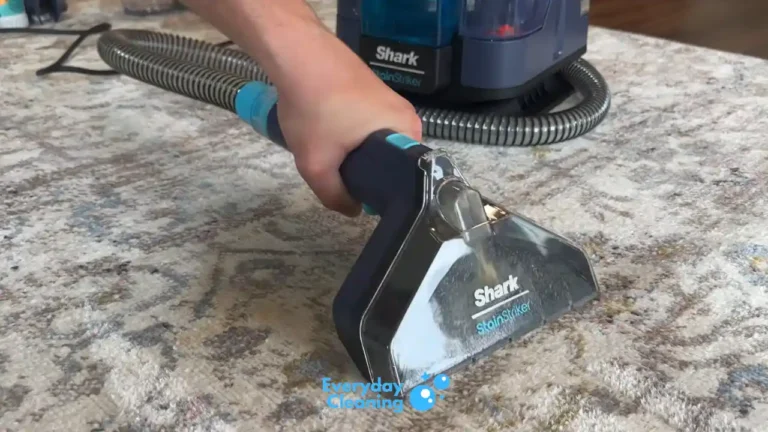
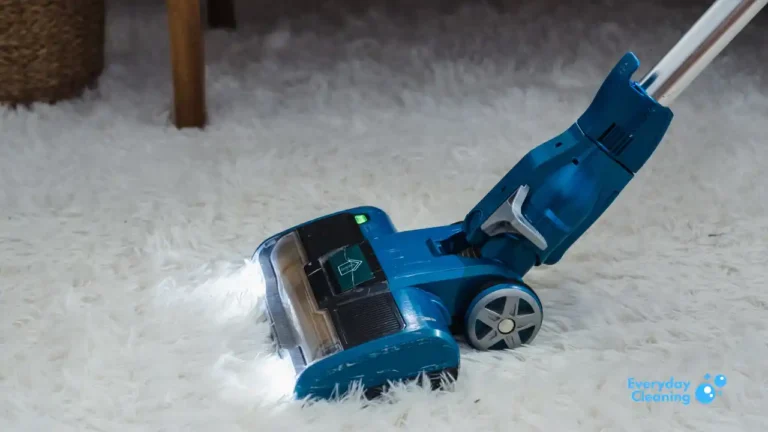
Using a carpet cleaning machine is always your best option. Fill the machine according to manufacturer instructions and make slow, overlapping passes. The slower you move, the more dirt and water the machine extracts.
If you don’t have a carpet cleaner, you can scrub by hand, but I only recommend this for areas smaller than 10 square meters. Use a stiff-bristled brush and work the solution into the carpet in circular motions. It’s exhausting work, honestly. For larger areas, you might want to consider hiring a professional carpet cleaning service.
Don’t be discouraged if your filthy carpet doesn’t look perfect after the first cleaning. You can repeat the entire process if needed. My storage room carpet needed two full cycles before it looked acceptable.
Step 4: Rinse Thoroughly

Getting all the cleaning solution out is crucial because leftover detergent attracts dirt like a magnet.
If you have a machine: Fill the tank with clean water only (no solution) and make several passes over the carpet. Keep going until the water being extracted looks clear.
If you’re cleaning by hand: Spray clean water over the carpet using a spray bottle, then blot with clean towels. You’ll need to do this multiple times. Use a wet/dry vacuum if you have access to one to extract as much water as possible. Press down firmly with thick towels to absorb water, replacing them as they become saturated.
Step 5: Drying Your Carpet Properly

This is the life-or-death stage. A carpet that stays damp too long will develop mold, and all your hard work will be wasted.
Open all windows and doors to create airflow. Point fans directly at the carpet from multiple angles. If you have a dehumidifier, run it in the room. The goal is to get the carpet completely dry within 24 hours, preferably within 12 hours.
Walk on the carpet as little as possible while it dries. If you must walk on it, wear clean socks (no shoes).
Turn on your air conditioning or heating (depending on the season) to control humidity. Warm, dry air speeds up drying significantly.
Check the carpet every few hours by pressing a white cloth against it. If any moisture transfers, it needs more drying time. Pay special attention to the carpet backing and padding underneath – these areas hold moisture longer.
If the weather is sunny and dry, and your carpet is movable, take it outside. Nothing beats natural sunlight and fresh air for drying. Just make sure it’s on a clean, elevated surface so air circulates underneath.
Common Mistakes to Avoid
Using too much water: More water doesn’t mean cleaner carpet. It just means longer drying times and potential mold growth. Apply solution in controlled amounts.
Skipping the dry vacuuming: If you try to clean a filthy carpet without removing dry dirt first, you’re just making mud. Always vacuum thoroughly first.
Rushing the drying process: This is how people end up with moldy carpets. Take drying seriously.
Using hot water on old carpets: Hot water can damage backing adhesives and cause colors to run. Use cool to lukewarm water unless the manufacturer specifically recommends hot water.
DIY vs. Hiring Professionals: What’s Right for You?
| Factor | DIY Cleaning | Professional Service |
| Cost | $30-100 | $150-500+ depending on size |
| Time Investment | 4-8 hours plus drying | 2-3 hours plus drying |
| Equipment Needed | Vacuum, carpet cleaner, cleaning solutions | None |
| Best For | Small to medium areas, mild to moderate dirt | Large areas, severe staining, or delicate materials |
| Results | Good if done properly | Consistently excellent |
When You Should Definitely Call a Professional
Call in the experts if:
- Your carpet covers more than 100 square meters and is uniformly filthy
- You’ve tried cleaning it yourself and the stains won’t budge
- The carpet is expensive or antique and you’re worried about damaging it
- You suspect mold but aren’t sure how extensive it is
- You physically can’t do the heavy work required
- You need it done quickly for an event or showing
Professionals have commercial-grade equipment that extracts far more water than consumer machines. They also have access to stronger cleaning agents and the experience to know exactly how to treat different types of stains.
Frequently Asked Questions
How long does it take to clean a filthy carpet?
Plan for an entire day. Pre-treatment takes 30-60 minutes, actual cleaning takes 2-4 hours depending on size and method, and drying takes 12-24 hours. Don’t rush any stage.
Can I just use a steam cleaner on my filthy carpet?
Steam cleaning alone won’t cut it for heavily soiled carpets. You need to pre-treat stains and remove dry dirt first. Steam cleaning works best for maintenance, not heavy restoration.
Is it worth cleaning a really filthy carpet or should I just replace it?
If the carpet is structurally sound (fibers intact, backing not crumbling) and costs more than $500 to replace, it’s worth attempting to clean. Budget carpets under $200 might not be worth the effort.
What if my carpet still smells after cleaning?
Lingering odors usually mean either the padding underneath is contaminated or the carpet didn’t dry completely. If it smells musty, you might have mold developing. If it smells like the original stain, you need to retreat that area with an enzyme cleaner.
Can I walk on the carpet while it’s drying?
Minimize foot traffic as much as possible. If you must walk on it, wear clean socks only. Shoes will redeposit dirt, and bare feet transfer oils that attract dirt later.