How to Get Ketchup Out of Carpet: The Most Effective Method

I’ve dealt with plenty of ketchup and tomato sauce stains over the years, and the key is knowing what you’re actually cleaning. Ketchup isn’t just tomato—it’s full of sugar, vinegar, and dyes that cling to carpet fibers. That’s why you need a smart approach. This guide will show you how to remove ketchup from carpet quickly and effectively, even if the stain’s already dry.
What You’ll Need
Before you start, gather these common household items:
- Clean white cloths or paper towels
- Cool water
- Liquid dish detergent (Dawn or similar grease-cutting formula)
- 3% Hydrogen peroxide (standard drugstore strength)
- A spoon or butter knife
- Small mixing bowl
Step 1: Scrape Off Excess Ketchup
First things first—you need to remove as much ketchup as possible before it spreads deeper into the carpet.
Use a spoon or butter knife to gently scrape up the excess sauce. Work from the outside edge toward the center to avoid spreading the stain wider. Don’t press down hard—you’re just removing what’s sitting on top. If you push too hard, you’ll drive the ketchup deeper into the carpet backing, and that makes everything harder.
For dried ketchup, you might find crusty chunks. Carefully pick these up with your fingers or scrape them gently. The goal here is removal, not perfection.
Step 2: Blot the Stain

Now we’re going to lift out the ketchup that’s already soaked into the fibers.
Take a clean white cloth and dampen it with cool water—not hot. Hot water can actually set protein-based stains, making them permanent. Cool water keeps everything loose and liftable.
Blot gently from the outside of the stain toward the center. Never rub or scrub at this stage. Rubbing spreads the stain and damages carpet fibers. Just press down, lift, move to a clean section of cloth, and repeat. You’ll see tomato sauce transferring onto your cloth. Keep blotting until no more color comes up.
For Dried Ketchup Stains
If you’re dealing with a dried stain, you need to reactivate it first.
Lightly spray cool water directly onto the dried stain. Don’t soak it—just mist it enough to dampen the area. Wait about 2 minutes to let the moisture penetrate and soften the dried sauce. Then proceed with the blotting technique described above using a clean white cloth.
You might need to repeat this reactivation process a couple of times for really stubborn dried stains. That’s normal.
Step 3: Remove the Stain with Detergent Solution
Here’s where we tackle the real problem: the sticky sugar residue and oily components in ketchup. We need a proper detergent to break down these sticky residues before they attract dirt and create a permanent-looking spot.
How to Mix the Cleaning Solution
In a small bowl, combine:
- 1 tablespoon of liquid dish detergent
- 2 cups of cool water

Mix gently—you don’t want a bunch of suds. Dish detergent is designed to cut through grease and oil, which makes it perfect for ketchup stains. I prefer Dawn because it’s concentrated and effective, but any grease-cutting dish soap will work.
Application Instructions

- Dip a clean white cloth into your detergent solution
- Wring it out so it’s damp but not dripping
- Blot the stained area, working from the outside in
- Let the solution sit for 3-5 minutes to break down the stain
- Blot again with a fresh damp cloth (just cool water this time)
- Repeat until the ketchup stain lifts completely
You should see significant improvement after this step. Most ketchup stains disappear entirely at this point. But sometimes—especially with older stains or carpets that stain easily—you’ll notice a faint pinkish or orange shadow remaining. That’s the dye from the tomatoes, and it requires a different approach.
Step 4: Remove Remaining Color Stains
Many stains are completely gone after Step 3, but if you still see a faint red or orange discoloration, don’t worry. This is when we bring in an oxidizer to break down the remaining pigment.

How to Use Hydrogen Peroxide
Take 3% hydrogen peroxide straight from the bottle. Pour a small amount directly onto the remaining stain—just enough to saturate the discolored area. You might see it fizzing slightly. That’s the oxidizing action working on the dye molecules.
Let it sit for 5-10 minutes. Don’t touch it during this time. The peroxide needs time to chemically break down the colored compounds in the tomato sauce.
After 10 minutes, blot with a clean white cloth. The remaining color should transfer onto your cloth. If there’s still a trace of stain, you can repeat this process once more.
IMPORTANT WARNING: While I’ve used hydrogen peroxide on my own synthetic carpet many times without issues, it is technically a mild bleaching agent. It’s safe for most synthetic carpets (nylon, polyester, olefin), but ALWAYS test in a hidden corner first. Wait 10 minutes after applying to check for any color change. If your carpet shows no reaction, you’re safe to proceed on the visible stain.
I don’t recommend using peroxide on wool or natural fiber carpets without professional advice. And if you have a very dark carpet, extra caution is needed.
Step 5: Rinse Thoroughly

This is the step most people skip—and then they wonder why their carpet looks clean for a day but gets dirty again within a week. You must remove all detergent and peroxide residue from your carpet. If you don’t, these cleaning agents will attract dirt like a magnet, creating a new dingy spot where your stain used to be.
Proper Rinsing Technique
- Fill your spray bottle with plain cool water
- Lightly spray the entire cleaned area
- Blot with clean white cloths until you’ve absorbed the water
- Repeat this spray-and-blot process 3-4 times
- For the final blotting, press down hard with dry towels to pull out as much moisture as possible
You want to rinse until you’re certain no soapy residue remains. I usually do at least three complete rinse cycles. It takes an extra five minutes, but it’s the difference between a truly clean carpet and one that looks clean but will show a dirt spot in the same place next week.
After the final blotting, place a dry towel over the damp area and weigh it down with something heavy (a stack of books works great). Leave it for an hour to wick up any remaining moisture. Then remove the towel and let the carpet air dry completely. Point a fan at the spot if you want it to dry faster.
Critical Mistakes to Avoid
I’ve seen people make their ketchup stains worse by doing these things. Don’t repeat these mistakes:
Using hot water initially. Hot water sets protein stains. Always start with cool water when learning how to get ketchup out of carpet. You can use warm water during the detergent phase, but never hot, and never in the beginning.
Scrubbing aggressively. I know it’s tempting to really attack the stain, but scrubbing damages carpet fibers and spreads the ketchup deeper and wider. Blotting is always better than rubbing.
Skipping the rinse. This is the #1 reason carpet stains seem to “come back.” The detergent residue you leave behind attracts dirt. Always rinse thoroughly, even when you’re tired and want to be done.
Using colored towels. Colored cloths can transfer dye to your carpet, especially when wet with cleaning solutions. Stick with white cloths or paper towels only.
Giving up too soon. Some ketchup stains—especially dried ones—need patience. If the stain isn’t completely gone after your first treatment, repeat the process. Most stains will eventually surrender.
Frequently Asked Questions
Can I use vinegar instead of dish detergent to remove ketchup from carpet?
You can, but I don’t recommend it as your first choice. White vinegar is acidic and can help break down some stains, but dish detergent is specifically formulated to break down oils and sugars—exactly what’s in ketchup. If you’re out of detergent, mix 1 part white vinegar with 2 parts water and follow the same blotting process. But detergent works better in my experience.
Will this method work on tomato sauce stains too?
Absolutely. Tomato sauce and ketchup are chemically very similar—tomatoes, sugar, and oil. The same process works for spaghetti sauce, pizza sauce, salsa, and even barbecue sauce stains. You might need a bit more detergent solution for thicker sauces, but the technique is identical.
What if the stain is still there after everything?
If you’ve done all five steps correctly and there’s still visible staining, you’re dealing with either a very old set-in stain or a carpet that’s particularly prone to staining. At this point, you have two options: call a professional carpet cleaner (they have commercial-grade oxidizers and extraction equipment), or try one more round of the hydrogen peroxide treatment. Sometimes a second peroxide application does the trick.
Is it safe to use a carpet cleaning machine after treating a ketchup stain?
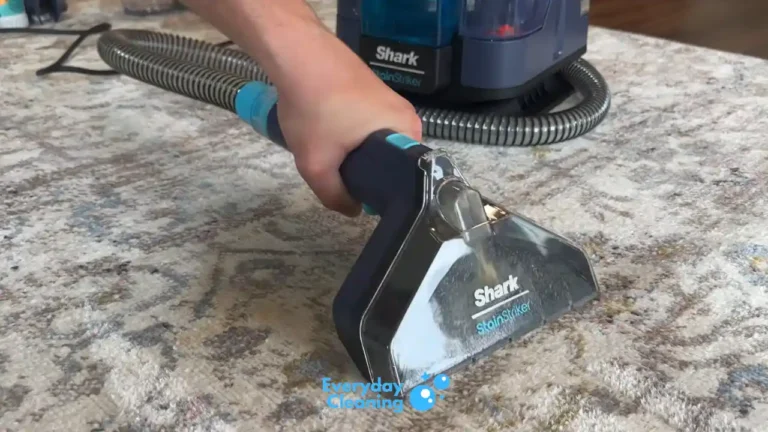
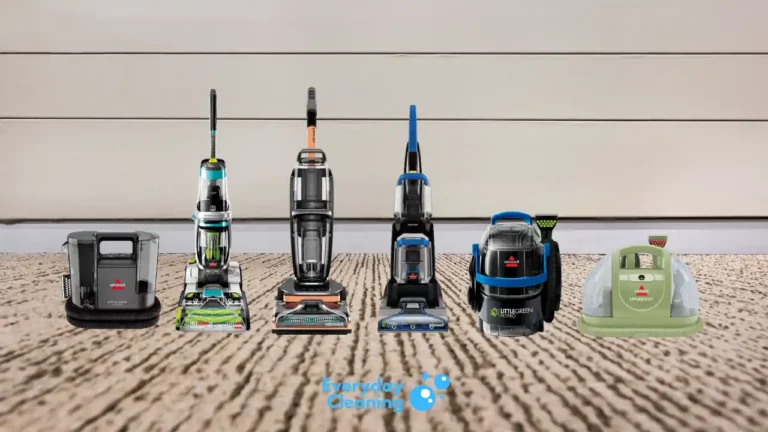
Yes, but only after you’ve completed the manual treatment. A carpet cleaning machine can actually help with the rinsing process in Step 5. Just fill the machine with plain water (no added soap) and run it over the treated area to extract any remaining residue. This works especially well for larger ketchup spills.
How long should I wait before walking on the cleaned area?
Wait until the carpet is completely dry—usually 2-4 hours depending on humidity and airflow. Walking on damp carpet can compress the fibers and slow drying. If you must walk through the area, wear clean socks or place a towel down temporarily.
Getting ketchup out of carpet doesn’t require expensive products or professional help—just the right technique and a bit of patience. Whether you’re dealing with a fresh spill or discovering a mystery stain from last week’s dinner, this method will get your carpet looking clean again. The key is working methodically through each step and never skipping that final rinse.