How to Get Motor Oil Out of Carpet: 3 Methods That Actually Work

Motor oil on carpet is one of the harder stains to deal with because it is thick, dark, and oil-based. But if you move quickly and use the right method, it comes out cleaner than you would expect.
Table of Contents
Before You Try Any Method, Do This First
No matter which cleaning method you use, the first few minutes matter most. The longer motor oil sits in carpet fibers, the deeper it penetrates and the harder it sets.
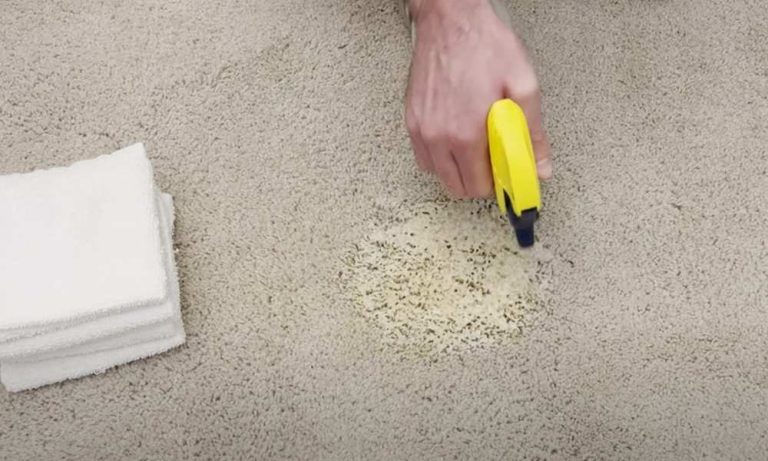
- Blot, do not rub. Use a clean white cloth or paper towels to blot up as much fresh oil as possible. Press down firmly and lift straight up. Rubbing spreads the stain and pushes oil deeper into the backing.
- Scrape up any thick residue. If there is a pooled amount of oil, use a spoon or a dull knife to scoop it away from the carpet before blotting. Get rid of everything you can before applying any product.
- Do not use hot water. Heat sets oil stains. Always use cold or room-temperature water when rinsing.
Once you have blotted up the excess, pick one of the three methods below based on what you have available.
Method 1: Dish Soap (Best for Fresh Spills)
Dish soap is the most reliable first-line approach for motor oil because it is specifically made to cut through grease and oil. This is the same reason it works on cooking oil stains too, and for those situations how to get grease out of carpet covers the same principle in more detail.
What You Need
- Dish soap (Dawn or any grease-cutting brand)
- Cold water
- Clean white cloths or microfiber towels
- Spoon or dull knife
Steps
1. Blot up excess oil as described above. Get as much out as you can before adding any liquid.
2. Apply a small amount of dish soap directly onto the stain. A few drops is enough. Do not pour it on. More soap means more rinsing later, and soap residue left in carpet attracts dirt fast.
3. Work it in gently with your fingers or a soft brush. Use light circular motions. You are not scrubbing; you are just helping the soap make contact with the oil.
4. Let it sit for 5 minutes. The surfactants in dish soap need a little time to break down the oil molecules.
5. Blot with a damp cloth. Use a cloth dampened with cold water. Press down, hold, lift. Repeat with clean sections of cloth until no more oil transfers.
6. Rinse the area. Dampen a fresh cloth with plain cold water and blot repeatedly to pull soap residue out of the fibers. This step is important. Leftover soap residue will make the spot look dirty again within a week.
7. Dry completely. Stack paper towels over the area and press down with something heavy for 15 to 20 minutes. Then let it air dry fully before walking on it.
Does it work on dried stains? Dish soap has less power on dried motor oil. If the stain has been there for more than a few hours, go to Method 2 or 3 instead. Alternatively, soak the area with a small amount of cold water first, let it soften for 5 minutes, then apply dish soap.
Method 2: Baking Soda + Dish Soap (Best for Larger or Soaked-In Spills)
When a spill has had time to spread or soak deeper into the carpet fibers, baking soda gives you an extra step of absorption before the dish soap does its work. This two-phase approach pulls more oil out of the backing where blotting alone cannot reach.
What You Need
- Baking soda
- Dish soap
- Cold water
- Clean cloths
- Vacuum
Steps
1. Blot up excess oil as described above.
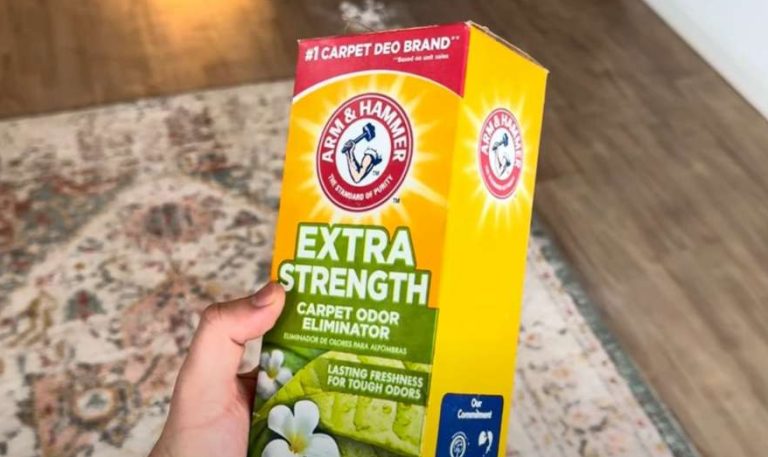
2. Cover the stain generously with baking soda. You want a visible layer, not just a dusting. Baking soda absorbs oil from the fibers before you add any liquid, which gives the dish soap less work to do.
3. Let it sit for 15 to 30 minutes. For a larger spill or one that has been sitting for a while, leave it longer. The baking soda will clump slightly as it draws out the oil.
4. Vacuum up the baking soda. Use a brush attachment and go over the area thoroughly. You will likely see the baking soda has darkened from oil absorption. That is exactly what you want.
5. Apply dish soap and cold water. Mix a few drops of dish soap into half a cup of cold water. Apply to the stain with a cloth, blotting and working from the outside in.
6. Blot repeatedly with clean damp cloths until no more oil transfers. Change cloths often.
7. Rinse and dry. Same as Method 1: rinse with a plain cold water cloth, then blot dry and let it air out completely.
Repeat if needed. With a larger spill, one pass of baking soda may not pull out everything. Let the area dry, then repeat the baking soda step before doing the soap treatment again. Patience here gets better results than rushing to add more product.
Method 3: WD-40 + Dish Soap (Best for Dried or Old Stains)
This sounds counterintuitive. Using an oil-based product to remove an oil stain seems backwards. But WD-40 works on old motor oil stains for the same reason mineral spirits or dry-cleaning solvents do: it re-liquefies the hardened oil so it can be lifted from the fibers. This is the method to reach for when the stain has been sitting for days or has already been partially rubbed in.
Motor oil is not the only tricky oil-based stain in this category. The same WD-40 approach works on paint residue too, and how to get paint out of carpet explains a similar technique for oil-based paint.
What You Need
- WD-40
- Dish soap
- Cold water
- Clean white cloths
- Baking soda (optional, for odor)
Steps
1. Spray a small amount of WD-40 directly onto the dried oil stain. Use a light application, not a soak. You only need enough to re-wet the surface of the stain.
2. Let it sit for 5 minutes. The WD-40 will begin breaking down the hardened oil.
3. Blot with a clean cloth. You will see old oil lifting onto the cloth. Keep blotting with fresh sections until transfer stops.
4. Apply dish soap immediately. Now the important part: you must follow WD-40 with dish soap right away. WD-40 loosens the motor oil but leaves its own residue behind. Dish soap removes both.
Apply a few drops of dish soap to the area and work it in gently. Let it sit for 5 minutes.
5. Blot with cold damp cloths until clean. Take your time here. Old stains may need two or three rounds of blotting.
6. Rinse thoroughly. WD-40 has a strong smell and leaves a film if not rinsed properly. Blot with plain cold water multiple times until the area feels clean and no longer slick.
7. Apply baking soda if any smell remains. Sprinkle baking soda over the dried area, leave it for a few hours, then vacuum. This neutralizes the WD-40 odor and any residual motor oil smell.
One caution: WD-40 can slightly lighten some carpet colors. Always test in a hidden spot before using it on a visible area.
Dealing With Old or Set-In Motor Oil Stains
If the stain has been in the carpet for days or weeks, no single pass will get it fully out. Here is the realistic approach:
Start with Method 3 (WD-40 + dish soap) to re-liquefy the hardened oil. Follow with a baking soda treatment once the area dries. Repeat the dish soap step a second time. On nylon or synthetic carpets, set-in stains generally respond better to repeated treatments than one aggressive cleaning session. For fiber-specific tips, cleaning nylon carpet covers how to handle stubborn stains without damaging the pile.
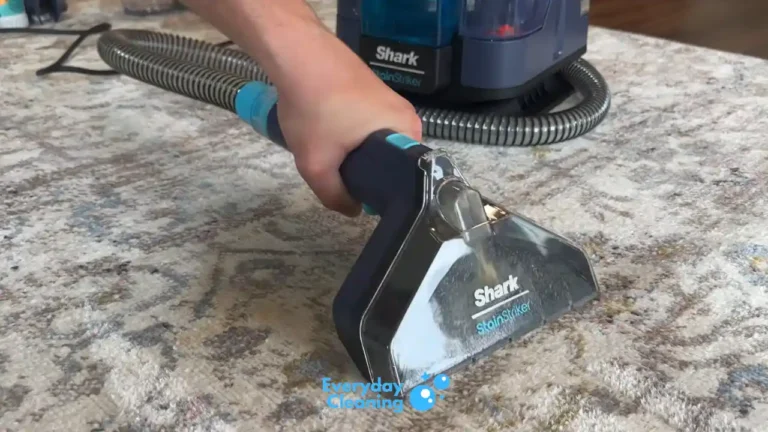
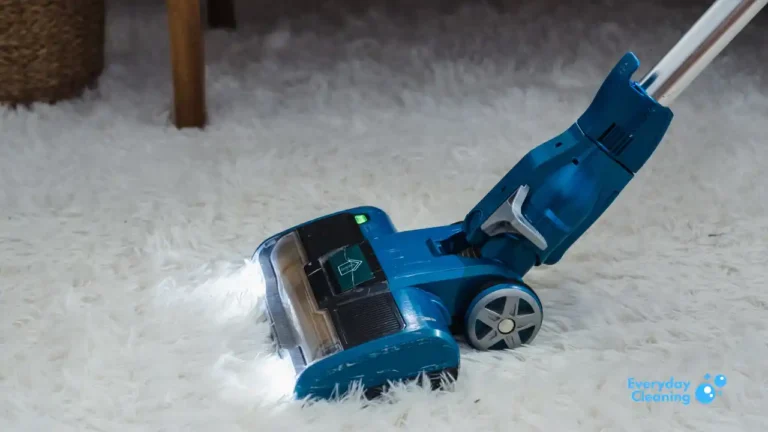
If the stain covers a large area or sits in a high-traffic zone, a carpet cleaning machine can help finish the job after manual pre-treatment. Run the machine over the area after the dish soap step while residue is still loose in the fibers.
What Not to Do
A few things that make motor oil stains worse:
- Rubbing the stain spreads it wider and pushes it into the backing
- Using hot water sets the oil and makes it much harder to remove
- Applying too much liquid at once overwets the carpet and can cause mold in the backing
- Skipping the rinse step leaves soap residue that attracts new dirt within days
- Using colored cloths can transfer dye onto lighter carpets while they are damp
Frequently Asked Questions
What is the fastest way to get motor oil out of carpet?
Blot up the excess immediately, then apply dish soap directly to the fresh stain. Let it sit for 5 minutes, blot with cold damp cloths, and rinse well. Fresh spills caught within the first few minutes come out with dish soap alone in most cases.
Can dried motor oil be removed from carpet?
Yes, but it takes more effort. Method 3 using WD-40 followed by dish soap is the most effective approach for dried stains. You will likely need two to three rounds of treatment. For stains that have been there more than a week, how to get grease out of carpet has additional techniques for hardened grease and oil that apply here.
Will baking soda alone remove motor oil from carpet?
Not completely. Baking soda absorbs surface oil and helps reduce odor, but it does not break down the oil molecules the way dish soap does. Use baking soda as the first absorption step, then follow with dish soap for the actual cleaning.
Does WD-40 damage carpet?
WD-40 is generally safe on synthetic carpets when used in small amounts and followed immediately with dish soap and a thorough rinse. On wool or delicate natural fiber carpets, test in a hidden area first. The bigger risk is not rinsing it out fully, which leaves a slick residue and a lingering smell.
How do I remove the motor oil smell from carpet?
After cleaning, sprinkle baking soda generously over the area and leave it for several hours or overnight. Vacuum thoroughly. Repeat if the smell persists. White vinegar diluted with water (1:1 ratio) can also help neutralize the odor if baking soda alone is not enough. For stronger odors, the same approach used for cleaning a smelly carpet works well here too.
What if there is motor oil on a car carpet?
The same methods work. Car carpets are often thinner and backed differently than home carpets, so be careful not to overwet them. Baking soda absorption followed by dish soap is the safest approach for car interiors where you cannot lift the carpet to dry the backing underneath.