How to Spot Clean a Wool Rug Without Soaking It

A stain on a wool rug makes you want to grab the nearest cleaner and start scrubbing. Don’t, because too much water, soap, or elbow grease can leave you with something worse than the spot.
Here’s the low-moisture method I recommend. It’s gentle, simple, and works one small area at a time.
What You’ll Need
- Spray bottle with an adjustable nozzle
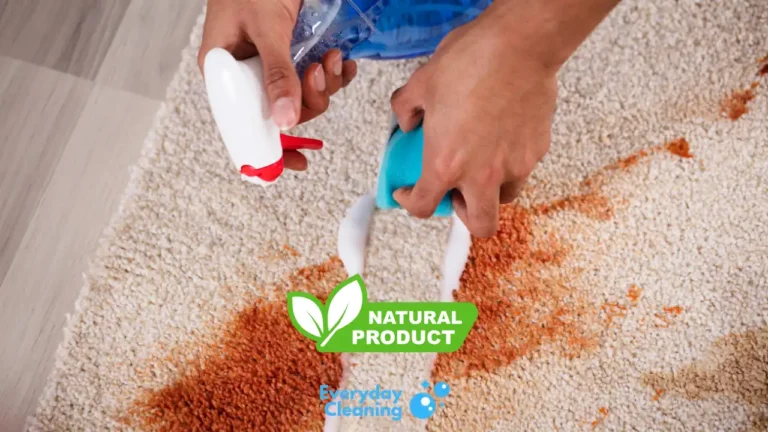
- Mild dish soap or a wool-safe spot cleaner
- Rubbing alcohol (isopropyl alcohol)
- Soft brush
- Small shallow dish
- Wet dry vacuum
- Clean white cotton towels
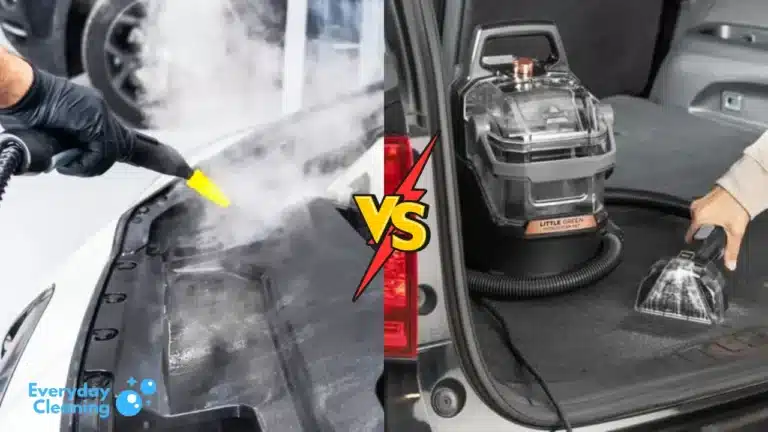
A compact wet dry vac is plenty for this job. If you don’t own one, see my favorite wet dry vacuums. A regular dry vacuum can’t handle liquid, so don’t try it.
My Wool Rug Cleaning Solution
Mix these in your spray bottle:
- 1 liter (about 1 quart) of cool water
- 3 drops of dish soap
- 30 ml (about 2 tablespoons) of rubbing alcohol
Three drops means three drops, not a squirt. Extra soap is hard to rinse out, and the residue it leaves can attract dirt.
Pick a mild soap with no bleach. Want the safer route? Use a WoolSafe approved spot cleaner and follow its label, since regular dish soap isn’t made specifically for wool.
Test the Rug First
Dab a little solution on a hidden corner. Press a white towel on it, wait a few minutes, and check for color on the towel. Let the patch dry and look again.
If dye transfers or the texture changes, stop. Take the rug to a professional. This matters even more with hand-dyed and antique rugs.
How to Spot Clean a Wool Rug Step by Step
1. Remove Loose Dirt
Vacuum the area with suction only. Scrape off dried food or crayon bits with a spoon. For a fresh spill, blot it with a towel before you add any liquid.
2. Mist the Spot Lightly
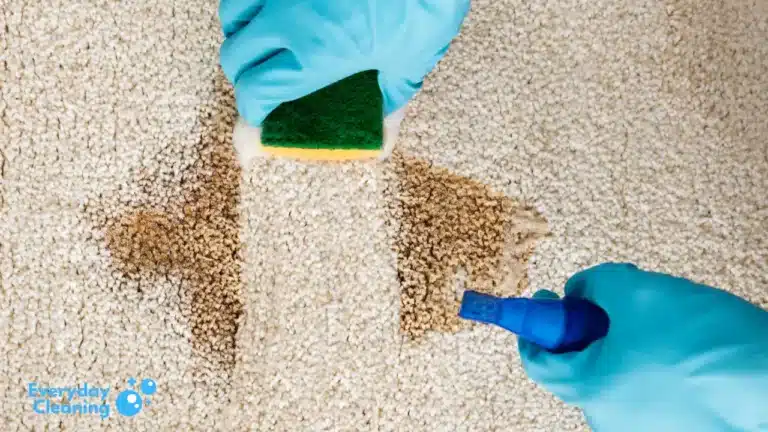
Set the nozzle to a narrow spray, not a wide fan. Hold it 3 to 4 inches from the stain.
Use about 10 ml, which is roughly 2 teaspoons. You want the surface fibers damp. The base of the rug should not get wet, because it dries very slowly.
3. Work It in With a Soft Brush
Pour a little solution into your shallow dish. Tap the brush in it, then gently work the stain. No scrubbing.
Hard brushing can fuzz and mat wool. Give the solution a moment to loosen the soil.
4. Extract Right Away
Have your vacuum ready before you start. Run the wet nozzle over the spot and pull out as much liquid as you can.
Still see a shadow? Add a little more solution right on the mark, brush lightly, and vacuum again. Stop if the stain quits improving.
5. Towel Dry
Press a clean white towel firmly into the area. Check it for dirt and keep moving to a dry section. Press and lift instead of rubbing hard.
6. Groom the Pile and Let It Dry
Dry off your brush and sweep the fibers back in their natural direction. Then let the rug dry completely before anyone walks on it.
Open windows or run a fan. Skip hair dryers and heaters. If a mark remains after drying, you can repeat the process once more.
How to Blend a Cleaned Spot Into the Rug
Here’s the thing about older rugs. One clean spot can stand out like a patch, because everything around it is still dirty.
The fix is to clean a larger section, about 1 square foot at a time.
- Treat each individual spot with a few ml of solution.
- Brush each one gently. The first spots can soak briefly while you do the rest.
- Mist the whole section evenly and lightly.
- Brush north to south, then east to west.
- Extract with a wider vacuum nozzle.
- Mist again with about 30 to 40 ml (2 to 3 tablespoons) and extract without brushing. Do this once or twice.
- Press with a towel, groom the pile, and let it dry.
Watch how wet the rug feels as you go. Those amounts are for a whole section, not a single spot. If water is soaking down to the backing, stop adding it and keep extracting.
You may still see an edge between the clean section and the rest. That usually means the whole rug needs a cleaning. My guide on cleaning wool carpet without damaging the fibers is a good place to start.
Stains That Need a Different Approach
This mix is a good first try for light food marks and everyday grime. It won’t fix everything.
Greasy spots can be stubborn. My tips for getting grease out of carpet can help, but check that any product is safe for wool before using it.
Markers and pen are tricky because they can spread. Read up on how to get ink out of carpet and test first. For crayon, scrape off the wax and don’t expect water to remove all of it.
Pet accidents soak deeper than they look. Surface cleaning often leaves odor behind, so follow my steps for removing dog urine from wool carpet.
Common Mistakes to Avoid
- Soaking the rug. Less is more. A wet backing can lead to odor, mildew, and color bleed.
- Using hot water. It can set some stains and stress wool fibers.
- Reaching for bleach. Chlorine bleach damages wool.
- Using harsh cleaners. Strong alkaline products and many all-purpose sprays are too much for wool.
- Scrubbing. It spreads the stain and roughs up the pile.
- Skipping extraction. Whatever stays in the rug dries there, soil and soap included.
Frequently Asked Questions
Can I use vinegar to spot clean a wool rug?
A diluted white vinegar solution is a common home remedy, especially after pet accidents. Test it first and use it sparingly. Don’t expect it to remove every stain or odor.
Is rubbing alcohol safe on wool rugs?
A small, diluted amount like the one in this mix is a reasonable choice, but some dyes can react to it. Always do the hidden corner test. Never pour it straight onto the rug as a first step.
Can I use a carpet cleaning machine instead?
Some portable machines work on wool, but check the rug’s care label and the machine’s manual. Use cool water, a wool-safe solution, and extra dry passes.
What if I don’t have a wet dry vacuum?
Use less liquid and blot with dry towels, pressing down firmly. It takes longer and removes less moisture. Stick to small spots.