How to Clean Septic Tank Without Pumping: A Complete Homeowner’s Guide

Learn how to clean septic tank without pumping using safe, effective DIY methods. Discover natural cleaning solutions, maintenance tips.
Maintaining your septic system doesn’t always require expensive pumping services. While professional pumping is essential every 3-5 years, there are several effective methods to keep your septic tank clean and functioning properly between those major cleanings. In this comprehensive guide, we’ll walk you through proven techniques that can help extend your system’s life while saving you money.
Table of Contents
Understanding Your Septic System
Your septic tank is essentially a large underground container that separates solid waste from liquid waste. The tank relies on beneficial bacteria to break down organic matter, while the liquid effluent flows to your drain field for further filtration.
The key to successful septic maintenance lies in supporting these natural processes rather than disrupting them. When you learn how to clean septic tank without pumping, you’re actually learning how to enhance your system’s natural cleaning abilities.
Natural Cleaning Methods That Actually Work
1. Bacterial Enzyme Treatments
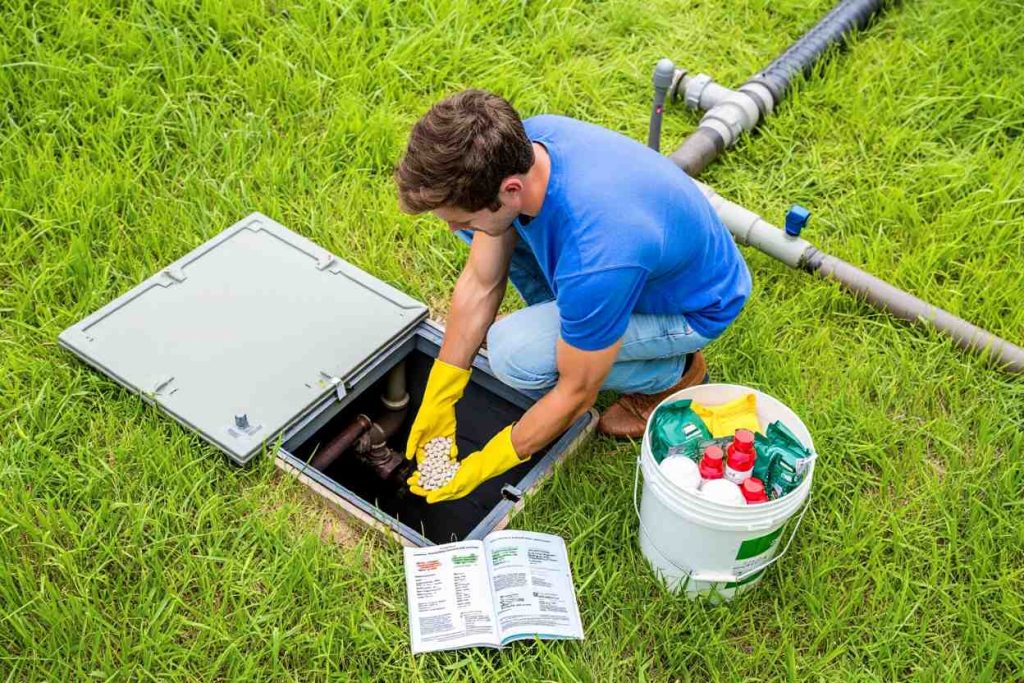
One of the most effective ways to maintain your septic tank is by adding beneficial bacteria and enzymes. These biological additives help break down waste more efficiently, reducing the need for frequent pumping.
How to use bacterial treatments:
- Choose a high-quality septic tank treatment containing live bacteria and enzymes. I often use Cabin Obseesion’s Septic Tank Treatment (#ad) to clean my septic tank, because it’s affordable, easy to use, and very effective.
- Follow package instructions for dosage (typically 1-2 tablespoons per month for average households)
- Flush the treatment down your toilet during low-usage periods (like before bed)
- Allow the bacteria time to establish colonies in your tank.
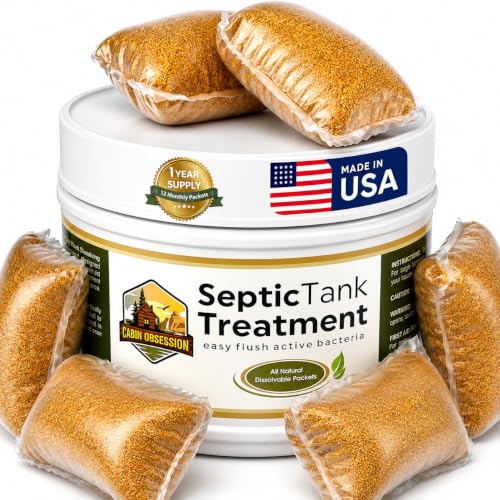
- JUST FLUSH ONE PACKET PER MONTH: Quick-dissolving monthly septic treatment pods…

Research from the University of Minnesota Extension shows that properly maintained septic systems with regular bacterial treatments can extend pumping intervals by 20-30% while maintaining optimal performance levels.
2. DIY Baking Soda and Vinegar Flush
This natural cleaning method helps balance pH levels in your septic tank and can help break down minor clogs in your system’s pipes.
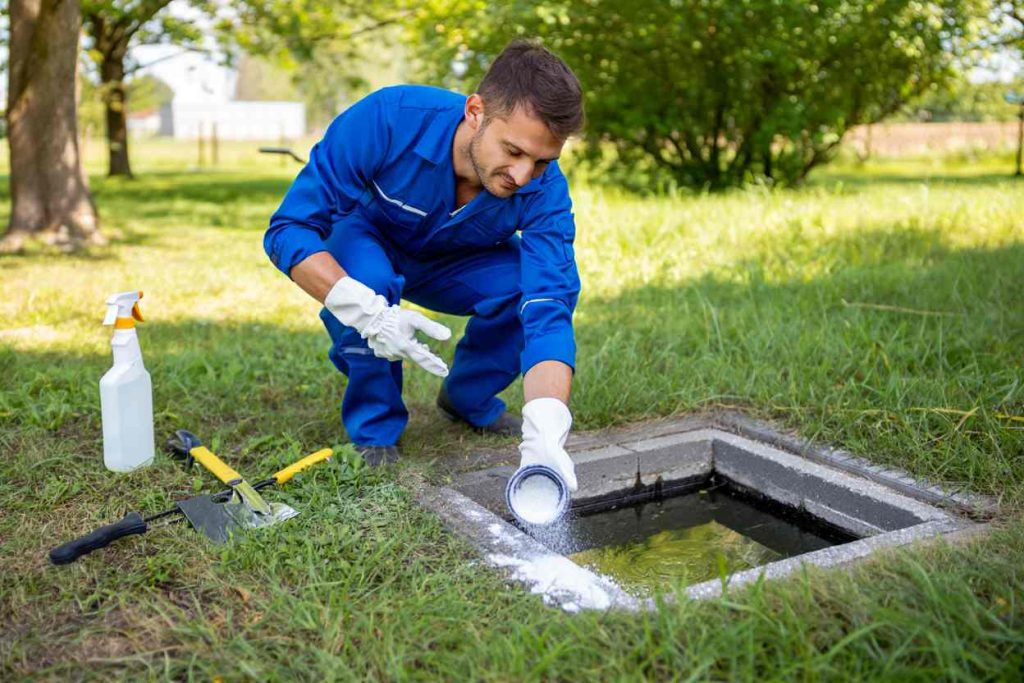
Step-by-step process:
- Mix 1/4 cup of baking soda with 1/2 cup of white vinegar
- Pour the mixture down your kitchen drain followed by hot (not boiling) water
- Repeat this process monthly to maintain optimal pH balance
- The reaction helps dissolve grease buildup and neutralize acidic conditions that can harm beneficial bacteria
3. Hot Water Flushing Technique
Regular hot water flushes can help dissolve grease and soap scum that might accumulate in your septic system.
Proper hot water flushing method:
- Heat water to about 140°F (not boiling, as extreme temperatures kill beneficial bacteria)
- Pour 2-3 gallons of hot water down your drains once a week
- Start with the drain furthest from your septic tank and work toward the closest
- This method helps prevent grease buildup that can clog your system
How to Clean Septic Tank Without Pumping: Advanced Maintenance Strategies
Implement a Waste Reduction Program
The most effective way to keep your septic tank clean is to reduce the amount of waste entering it in the first place. This proactive approach can significantly extend the time between professional pumpings.
Waste reduction strategies:
- Install low-flow fixtures to reduce water usage by 20-30%
- Fix leaky faucets and running toilets immediately
- Spread laundry loads throughout the week rather than doing multiple loads in one day
- Use septic-safe cleaning products and detergents
- Avoid flushing non-biodegradable items like wet wipes, feminine products, or cat litter
Regular Inspection and Monitoring
Conducting monthly visual inspections can help you catch problems before they become major issues requiring professional intervention.
What to check during inspections:
- Look for standing water or soggy ground around your drain field
- Check for unusual odors near your septic tank or drain field
- Monitor your home’s drains for slow drainage or gurgling sounds
- Keep track of when you last added bacterial treatments
- Document any changes in your system’s performance
Grease Trap Maintenance
If your home generates significant grease waste, implementing a simple grease trap system can prevent fats and oils from reaching your septic tank.
DIY grease management:
- Collect cooking grease in containers and dispose of it in trash rather than down drains
- Wipe greasy dishes with paper towels before washing
- Use mesh strainers in kitchen sinks to catch food particles
- Consider installing a small grease interceptor if your family cooks frequently
When DIY Methods Aren’t Enough
While learning how to clean septic tank without pumping is valuable, it’s important to recognize when professional help is necessary. Some situations require immediate professional attention:
Warning signs that require professional pumping:
- Sewage backup in your home’s drains
- Strong septic odors that persist despite cleaning efforts
- Standing water or wet spots in your drain field area
- Gurgling sounds from multiple drains throughout your home
- -low drainage from all fixtures despite clearing individual drain clogs
According to the EPA, septic systems that receive regular maintenance last an average of 20-30 years, while neglected systems may fail in as little as 10 years, requiring costly repairs or complete replacement.
Creating a Long-term Maintenance Schedule
Developing a consistent maintenance routine is crucial for septic system longevity. Here’s a practical schedule that incorporates both DIY cleaning methods and professional services:
Monthly tasks:
- Add bacterial enzyme treatment to your system
- Perform hot water flush of all drains
- Inspect drain field area for any visible problems
- Check household water usage patterns
Quarterly tasks:
- Deep clean all household drains using natural methods
- Review and update your waste reduction practices
- Check septic tank risers and access ports for damage
- Document system performance and any changes
Annual tasks:
- Professional septic inspection (recommended but not always required)
- Evaluate whether pumping is needed based on household size and usage
- Update maintenance supplies and replace any damaged components
- Review local regulations for any changes in septic system requirements
Troubleshooting Common Issues
Even with regular maintenance, you might encounter minor issues that can be resolved without pumping. Here are solutions for common septic problems:
Slow drains throughout the house:
- Increase bacterial enzyme treatments temporarily
- Reduce water usage for 24-48 hours
- Check for and clear any obvious clogs in individual fixtures
- Ensure your drain field isn’t saturated from recent heavy rains
Mild odors near septic components:
- Add extra bacterial treatment to boost decomposition
- Check that all septic tank lids and risers are properly sealed
- Ensure proper ventilation around septic components
- Increase the frequency of natural cleaning treatments
Sluggish toilet flushing:
- Verify that only appropriate items are being flushed
- Check toilet paper usage – switch to septic-safe varieties if necessary
- Ensure children understand proper septic system etiquette
- Consider installing a toilet with better flushing efficiency
Learning how to clean septic tank without pumping empowers you to maintain your system effectively while saving money and extending equipment life. By implementing regular bacterial treatments, natural cleaning methods, and proper waste management practices, you can keep your septic system functioning optimally between professional pumpings. Remember that these DIY methods complement rather than replace professional maintenance – they’re tools to help you get the most from your septic investment while protecting your home and environment.