How to Clean a Driveway (The Right Way, Step by Step)
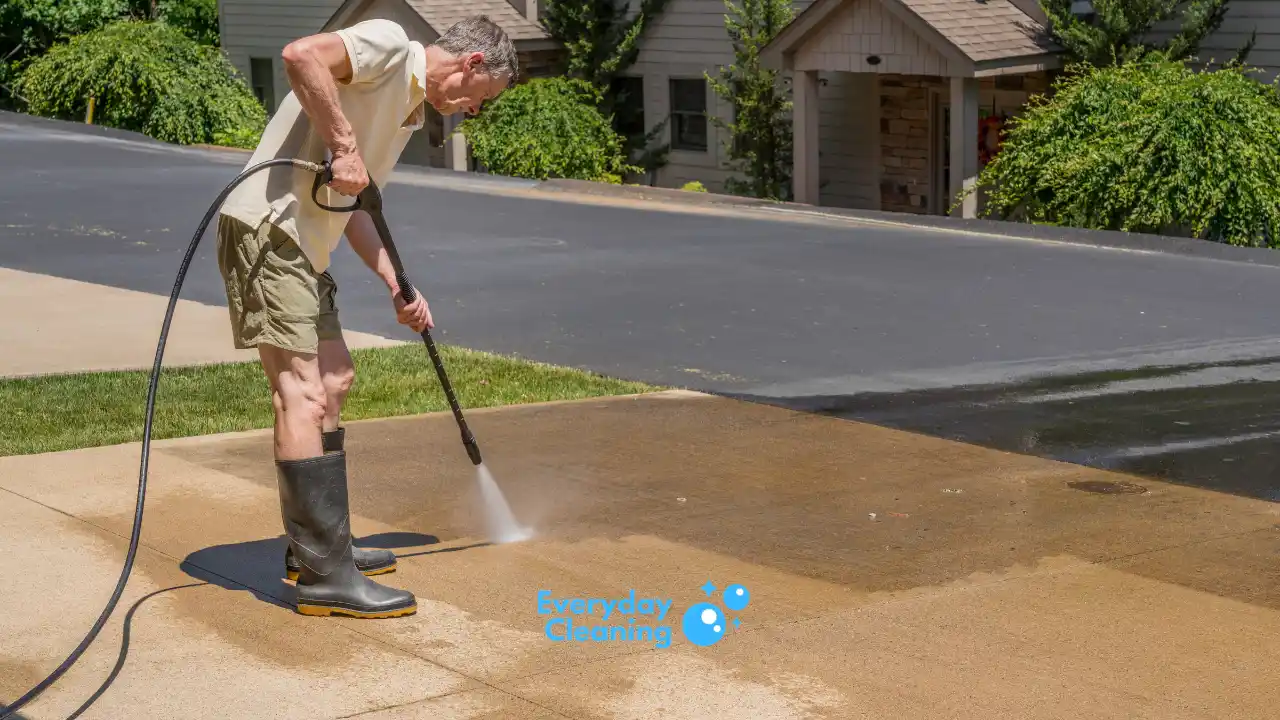
A dirty driveway is one of those things that quietly drags down your whole home’s curb appeal. This guide walks you through exactly how to clean a driveway, whether you’re doing a quick refresh or prepping the surface for resealing.
Step 1: Clear Off Loose Debris
Before you touch a hose or cleaner, get the surface clear first. Trying to wash a driveway that’s covered in leaves, dirt, and grit just moves the mess around.
Grab a stiff broom and sweep the entire driveway from one end to the other. Push everything off the edges onto the lawn or into a pile you can collect. If you have a leaf blower, use it. Gas-powered or battery-powered both work fine here, and either one will clear a full driveway in just a few minutes.
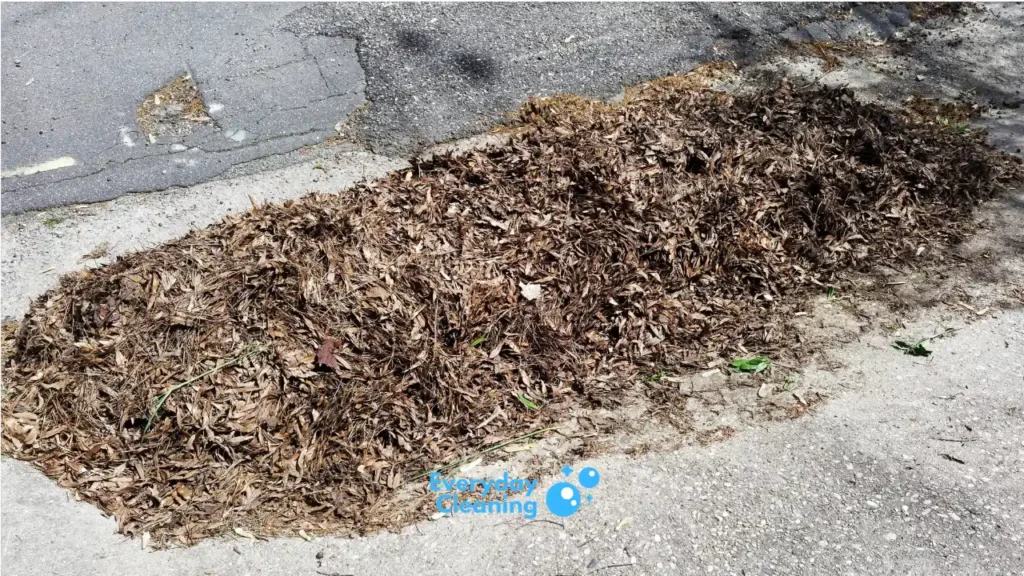
Don’t skip this step. Debris left on the surface will clog your nozzle, mix into your cleaning solution, and make the whole job messier.
Step 2: Spot-Treat Oil Stains and Trouble Areas
Oil stains are the most common problem on driveways. Fresh ones are easier to lift than old ones, but both respond well to the same basic approach.
Squirt a generous amount of dish soap or laundry detergent directly onto the stain. Add a splash of warm water and scrub with a stiff nylon brush. Really work it in, then let it sit for five to ten minutes before rinsing. Most light stains come up with this method.
For older or deeper stains, a commercial driveway degreaser works better. These are sold at most hardware stores and are made specifically for oil, grease, and automotive fluids. Apply it according to the label directions, scrub well, and rinse thoroughly. Some heavy stains may need a second round.
If you’re dealing with a lot of stains in different spots, treat each one before you move on to washing the whole surface. Trying to clean everything at once usually means the stains don’t get enough contact time with the cleaner.
Step 3: Wash the Full Driveway Surface
Once your trouble spots are treated, it’s time to clean the whole surface.
Option A: Garden Hose and Dish Soap
For a smaller driveway, this works fine. Wet the surface, pour dish soap along the length of it, and scrub with a stiff deck brush or a broom with stiff bristles. Work in sections, moving from one end to the other. Rinse each section as you go.
This takes more elbow grease than a pressure washer, but it gets the job done on a compact driveway. Good option if you don’t own a pressure washer and don’t want to rent one.
Option B: Pressure Washer

For a larger driveway or a really dirty surface, a pressure washer is the way to go. It cuts cleaning time significantly and gets into the surface texture in a way a garden hose can’t.
You can use either a gas-powered or electric model. Electric pressure washers work well for most residential driveways. Gas models deliver more power, which is useful if you’re dealing with heavy staining or a large surface area. If you want something more budget-friendly to start, check out the best electric pressure washer options available.
One thing to pay attention to: distance. Hold the nozzle too close and you risk etching the surface, especially on older asphalt or concrete that’s already showing wear. Start from about 12 to 18 inches away and adjust from there. Use a 25-degree or 40-degree nozzle for general cleaning. Save the 0-degree nozzle for spot work, not full-surface washing.
Work in overlapping passes, moving consistently to avoid streaking. Spray with the grain of any texture in the surface, not against it.
How to Clean a Driveway Before Resealing
If you’re planning to reseal an asphalt driveway, cleaning isn’t optional. It’s the most important step in the whole process. Sealer applied over a dirty surface won’t bond properly and will start peeling or cracking within a season.
The prep here is more thorough than a regular cleaning. Every oil stain, every patch of grime, every spot of loose debris needs to go. Start with the debris removal and spot treatment steps above, then follow up with a full pressure wash. Let the driveway dry completely, at least 24 hours in warm weather, before applying sealer.
If you pressure wash and still see oil residue, hit those spots again with a degreaser before the surface fully dries. Stains that look faint when wet often show up clearly once the driveway is dry.
Cleaning Different Driveway Materials
The basic process is the same across most driveway types, but there are a few material-specific things to keep in mind.
Asphalt
Asphalt is common and holds up well to pressure washing, but avoid very high pressure on older or cracked surfaces. If there are cracks, clean them out carefully and seal them before doing any full-surface washing to prevent water from pushing deeper into the material.
Concrete
Concrete handles pressure washing well and is the easiest surface to get looking clean again. A steam cleaner for concrete floors can also work well on concrete driveways if you want a chemical-free option.
For concrete with embedded oil stains that won’t budge, try a poultice made from baking soda and dish soap. Apply it thick, cover with plastic wrap, and let it draw out the stain overnight. Scrub and rinse in the morning.
Pavers and Brick
Use lower pressure on pavers, especially if the joints are filled with sand or polymeric sand. High pressure can blast out the joint material and cause shifting over time. A surface cleaner attachment works well here since it distributes water more evenly and reduces the risk of damaging the joints.
What to Use for Driveway Cleaning
You don’t need a lot of supplies. Here’s what actually works:
- Dish soap or laundry detergent — effective on light oil stains and general grime
- Commercial driveway degreaser — better for stubborn oil and automotive stains
- Stiff nylon brush or deck brush — essential for scrubbing stains and working in cleaner
- Garden hose with spray nozzle — fine for small driveways and rinsing
- Pressure washer — the most efficient option for larger jobs
Skip anything labeled “bleach-based” on asphalt. Bleach can degrade the binders in the material over time and cause it to break down faster. On concrete, diluted bleach solutions are sometimes used to remove mold and mildew, but rinse thoroughly and don’t let it sit long.
How Often Should You Clean Your Driveway?
Most driveways benefit from a full cleaning once a year. Spring is a natural time to do it since you’re clearing out whatever winter left behind, salt residue, grit, and moisture staining.
If you park a vehicle that leaks oil or fluid, spot-clean those areas as soon as you notice them. Fresh stains lift much more easily than ones that have soaked in and dried over weeks.
If your driveway is under trees, you may need to sweep or blow it off more frequently to prevent staining from leaves, berries, and tree sap.
Frequently Asked Questions
What’s the best way to clean a concrete driveway?
Pressure washing with a surface cleaner attachment is the most effective method for concrete. For oil stains, pre-treat with a degreaser or dish soap first. Concrete handles high pressure well, so you can use more power than you would on asphalt.
Can I use bleach to clean my driveway?
Diluted bleach works on concrete to remove mold and mildew, but it’s not a good choice on asphalt. On concrete, rinse it off thoroughly after a few minutes. For most general cleaning, dish soap or a commercial degreaser gets better results with less risk.
How do I remove oil stains from a driveway?
Dish soap or laundry detergent scrubbed in with a stiff brush handles light stains. For older or heavier stains, use a commercial driveway degreaser. Apply it, scrub it in, let it sit for a few minutes, then rinse. Some deep stains may need two treatments. For more stain removal strategies, see how to get grease out of carpet — many of the same principles apply to surface degreasing.
Do I need a pressure washer to clean my driveway?
Not necessarily. A garden hose, dish soap, and a stiff brush can clean a small to medium driveway well enough. But for large driveways, heavy staining, or pre-resealing prep, a pressure washer is much more effective and saves a lot of time.
How do I keep my driveway cleaner longer after washing?
At minimum, 24 hours in warm, dry weather. If it’s humid or there’s been rain recently, wait longer. The surface needs to be completely dry for the sealer to bond correctly. Feel the surface and any low spots or cracks before you start.
Is it worth renting a pressure washer vs. buying one?
If you only clean your driveway once a year and don’t use a pressure washer for other jobs, renting makes sense. But if you have a deck, siding, patio, or other surfaces that need regular cleaning, owning one pays off quickly. A mid-range electric pressure washer handles most home cleaning jobs without a lot of maintenance.