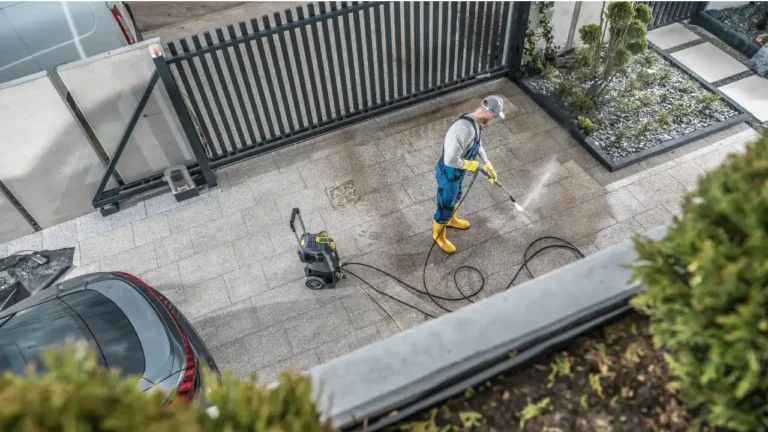
How to Pressure Wash Brick: Step-by-Step Guide for Best Results
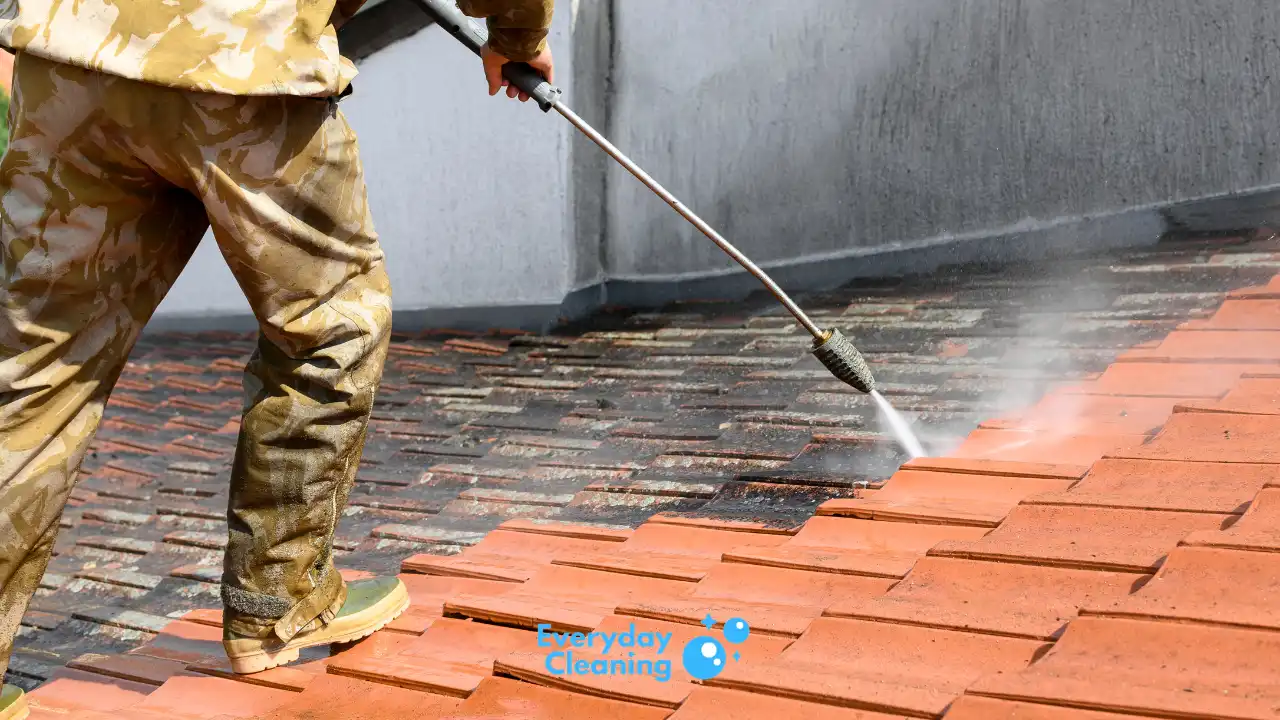
Brick looks great when it’s clean, but years of mildew, algae, and grime can make it look rough fast. Pressure washing is one of the most effective ways to restore it without scrubbing for hours.
The process is straightforward, but brick is more fragile than it looks. Use too much pressure and you’ll damage the mortar. Skip the prep and you’ll end up with water getting into places it shouldn’t.
This guide walks you through how to pressure wash brick safely, from prep to final rinse.
What You’ll Need
Before you start, gather everything so you’re not stopping mid-job.
- Pressure washer (electric is fine for most brick jobs)
- Low-pressure nozzle (40-degree white tip)
- Outdoor detergent or brick-safe cleaning solution
- Scrub brush (stiff bristle)
A best electric pressure washer in the 1500 to 2000 PSI range is plenty for most residential brick. You don’t need a gas-powered unit for a standard brick wall or walkway.
Step 1: Inspect and Repair the Brick First
Do this before you touch the pressure washer. Walk the surface and look for cracks in the brick or mortar.
Any gaps or cracks let water in behind the brick. Pressure washing forces water at high velocity, so even a small crack becomes a problem. Fill cracks with mortar repair caulk and let it cure completely before washing.
Skipping this step can lead to moisture damage that’s expensive to fix.
Step 2: Prep the Area
Cover anything nearby that shouldn’t get wet. That includes:
- Light fixtures and electrical outlets (cover with plastic and painter’s tape)
- Windows and doors (make sure they’re tightly shut)
- Nearby shrubs, bushes, and flower beds (lay plastic sheeting or tarps over them)
Detergent runoff can stress or damage plants, so covering them is worth the extra five minutes.
Step 3: Apply the Detergent

Set your pressure washer to the lowest setting and attach a low-pressure nozzle. This is the detergent phase, so you want coverage, not force.
Start at the top of the wall and work down in a continuous sweeping motion. Keep the nozzle moving and aim for even coverage across the entire surface.
Let the detergent sit for a few minutes after application. That dwell time is what actually loosens the dirt, mildew, and staining. Don’t let it dry on the surface though. If it’s a hot day or you’re working in direct sun, check the wall and reapply if needed before the next step.
Step 4: Rinse the Brick
This is the step where most people make mistakes. Brick is porous and mortar is soft. Too much pressure will blast mortar out from the joints over time.
Use 500 PSI or less for the rinse. Some sources suggest as low as 50 PSI for the actual rinse pass, which works well with a surface cleaner attachment. A 40-degree white tip nozzle is the safest choice if you’re using a wand.
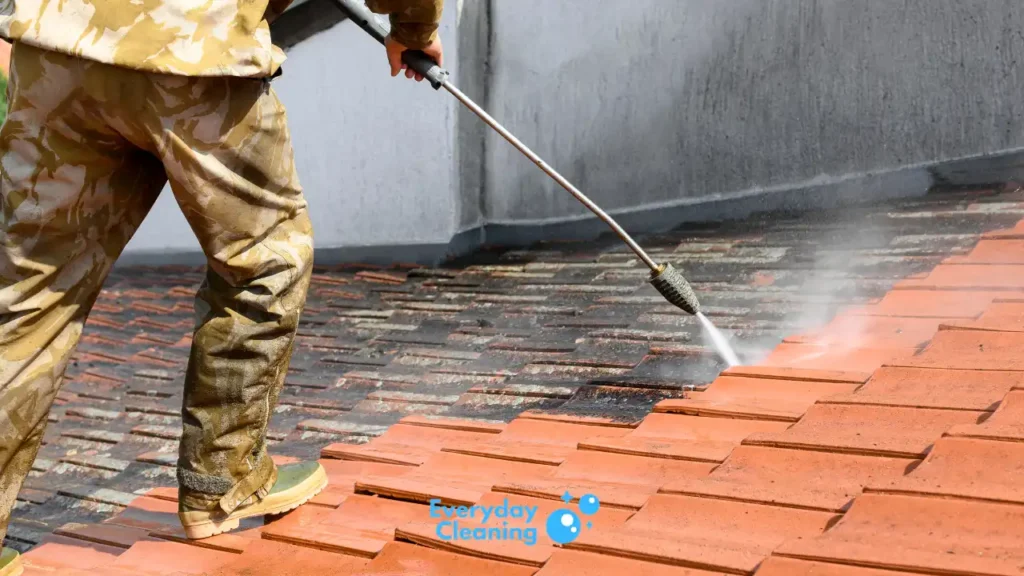
Work from the top down. Use horizontal strokes about three to four feet wide and keep the nozzle at least 12 inches from the surface. Move consistently so you don’t dwell in one spot.
If you’re using a best portable pressure washer for a smaller area like a garden wall or a short section of exterior, a surface cleaner attachment makes the rinsing phase much faster and more even.
Step 5: Clean Up the Surrounding Area
Once the brick is rinsed, switch to a regular garden hose and flush the surrounding ground, plants, and any hard surfaces nearby.
This washes away any detergent residue that landed on adjacent areas during the job. It also reduces the risk of detergent sitting on grass or plants long enough to cause damage.
Step 6: Let It Dry and Check for Remaining Stains
Give the brick time to dry fully before evaluating results. Wet brick looks darker and can mask stains that are actually still there.
Once it’s dry, look for:
- Mildew or algae spots (usually appear as green, black, or gray patches)
- Rust stains (orange-brown discoloration, often near metal fixtures)
- Efflorescence (white chalky deposits from mineral salts)
For any leftover stains, wet the area with plain water first, apply a targeted cleaner or detergent directly, and scrub with a stiff bristle brush. For stubborn rust stains, an oxalic acid-based cleaner works better than standard detergent.
How to Pressure Wash Brick Without Damaging It
The main risk with pressure washing brick is mortar damage. Mortar is softer than the brick itself, and high PSI aimed directly at joints will erode it over time.
A few rules to keep in mind:
- Always use a wide-angle nozzle (40-degree or wider). Never use a zero-degree red tip on brick.
- Keep the wand moving. Never hold it in one spot.
- Stay at least 12 inches from the surface, ideally further.
- Test a small inconspicuous area first if you’re unsure how the brick will respond.
Older brick tends to be softer and more porous than modern brick. If your home was built before the 1950s, be extra conservative with pressure. A light detergent scrub followed by a gentle rinse may be safer than any powered washing.
Best PSI for Pressure Washing Brick
For most brick surfaces, keep PSI between 500 and 1500.
- Soft or older brick: 500 PSI or less
- Standard residential brick: 500 to 1000 PSI
- Heavy staining on harder brick: up to 1500 PSI with caution
Going above 1500 PSI risks mortar erosion, especially on older walls. If you need more cleaning power, use a stronger detergent and longer dwell time rather than turning up the pressure.
For comparison, pressure washing a concrete driveway can handle 2000 to 3000 PSI without issue. Brick needs a much gentler approach.
How Often Should You Pressure Wash Brick?
Most exterior brick benefits from a wash every one to two years. In humid climates where algae and mildew grow faster, you might do it annually.
Interior brick (fireplaces, accent walls) rarely needs pressure washing. A scrub brush and a mild cleaning solution is usually enough for indoor surfaces.
Frequently Asked Questions
Can you pressure wash all types of brick?
Most modern brick handles low-pressure washing fine. Older, softer brick requires more caution. If you’re working on antique or historic brick, consult a masonry professional first. The wrong pressure can cause permanent surface erosion that’s difficult to reverse.
Do I need a special cleaner for brick?
A standard outdoor detergent works for general dirt and mildew. For oil stains, use a degreaser. For rust, use an oxalic acid-based cleaner. For heavy mildew or algae, a diluted bleach solution (one part bleach to nine parts water) is effective, but rinse thoroughly afterward to protect the mortar.
Is it safe to pressure wash a brick house exterior?
Yes, as long as you use the right settings. Keep PSI low, use a wide nozzle, cover windows and electrical outlets, and always rinse from the top down. If your home has older brick or visible mortar issues, do repairs first. For a house-sized job, an electric pressure washer for home use in the 1500 to 2000 PSI range handles the job without overdoing it.
Can I pressure wash a brick patio the same way?
The process is the same, but horizontal surfaces collect more debris and may need a longer detergent dwell time. A surface cleaner attachment works especially well on flat brick surfaces because it distributes pressure evenly. If your patio connects to a lawn, extra tarps around the edges are a good idea. For more detail, the guide on how to pressure wash a patio covers flat surface technique in depth.