How to Pressure Wash Vinyl Siding Without Damaging It
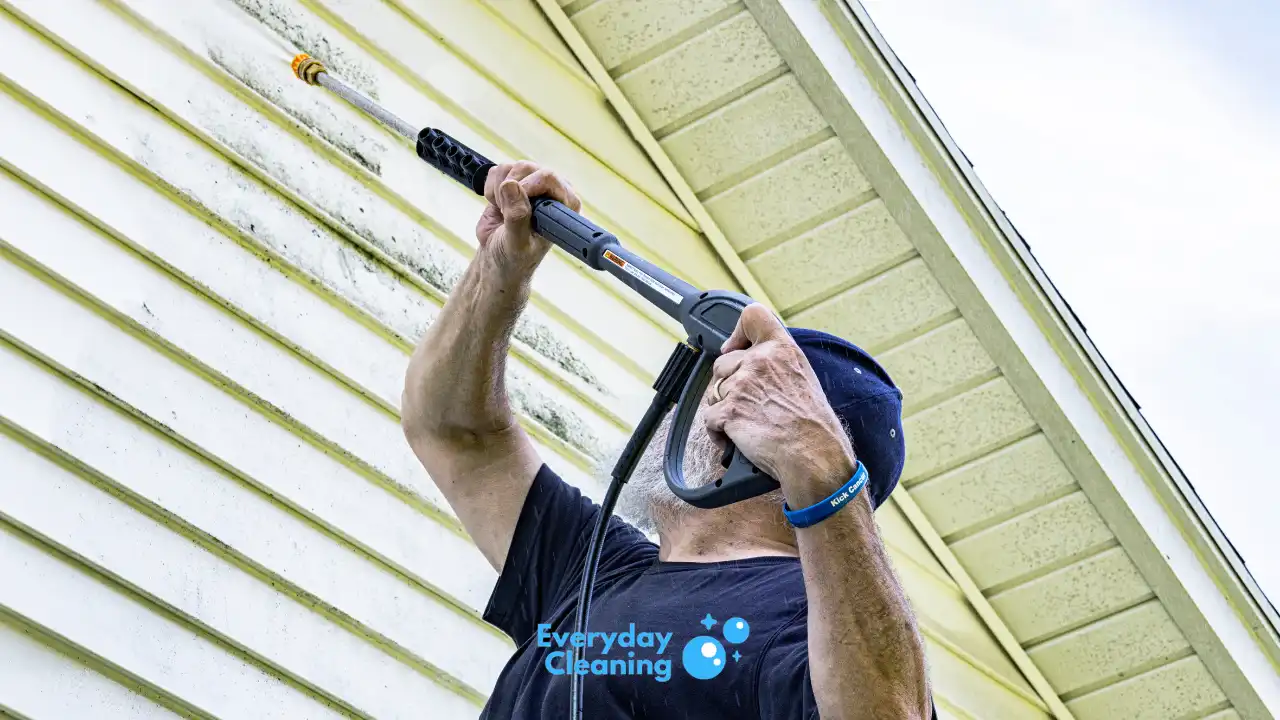
Vinyl siding picks up grime, algae, and mildew fast, especially on shaded walls where sunlight never reaches. Here is exactly how to clean it without cracking panels or forcing water behind the siding.
What You Need Before You Start
You do not need a lot of equipment, but a few things matter.
A pressure washer in the 1,500 to 2,000 PSI range works well for vinyl. You can go higher, but you need to be more careful with your technique and distance. If you are renting or buying specifically for this job, check out our roundup of the best pressure washer for vinyl siding to see what specs matter most.
For cleaning solution, a mild detergent mixed with water does the job. Vinegar is another solid option. It cuts through algae and mildew without leaving residue behind. Avoid bleach-heavy products unless you are dealing with a heavy mold problem.
You will also need safety goggles. The spray kicks back more than most people expect.
Understanding Pressure Washer Nozzles
This is where a lot of people go wrong. The nozzle you pick changes everything.
Nozzles are color-coded by spray angle. Here is what each one does:
- Red (0 degrees): Extremely concentrated. Good for concrete and masonry. Do not use this on vinyl siding.
- Yellow (15 degrees): Still very aggressive. Better for hard surfaces, not siding.
- Green (25 degrees): The most versatile tip. Works well for siding once you have some experience with the machine.
- White (40 degrees): The widest spray. This is the safest starting point for vinyl. Use this if you are new to pressure washing.
- Black (soap nozzle): Low pressure, designed for applying detergent or cleaning solution. Always apply soap with this tip first.
If you are not confident with the equipment yet, start with the white tip. You can always switch to the green once you get a feel for how the surface responds.
How to Pressure Wash Vinyl Siding: Step by Step
Step 1: Prep the Area
Close all windows and doors before you start. Check for any open electrical outlets on the exterior wall. If there are any, turn off the breaker for that circuit and cover the outlets with waterproof tape or a plastic bag.
Move any outdoor furniture, planters, or decor away from the wall. You want a clear path to work.
Step 2: Set Up the Machine
Connect your water hose to the pressure washer inlet. If you are using a cleaning solution, place the siphon tube into your bucket of cleaner. Most electric pressure washers have a built-in detergent port or a dedicated soap bottle.
Attach the black soap nozzle first. You will apply the cleaning solution before you rinse.
Step 3: Apply the Cleaning Solution
Turn on the machine and start applying your cleaning solution. Work from the bottom of the wall and move upward. This sounds backwards, but it matters. If you spray solution from the top down onto a dry surface, the drips dry before you get there and leave streaks. Spraying bottom to top keeps the surface wet as you go.
Keep the nozzle moving in smooth, even passes. Do not linger on one spot.
Let the solution sit for a few minutes, but do not let it dry on the surface.
Step 4: Rinse from the Top Down
Switch to the white or green nozzle for rinsing. Now the direction reverses. Start at the top of the wall and work your way down. This way dirty water falls onto an area you have not rinsed yet, not one you just cleaned.
Stay at least three feet away from the siding. Getting too close concentrates the pressure and can crack panels, force water behind the siding, or damage the paint. If a section looks stubborn, move slightly closer rather than cranking up the pressure setting.
Spray at a slight downward angle. Never spray upward at the panels. Vinyl siding overlaps like shingles, and water forced upward gets behind the panels. That leads to moisture damage and mold problems inside the wall.
Keep your passes smooth and consistent. Overlapping slightly on each pass avoids missed strips.
Step 5: Work in Sections
Do not try to do the whole house at once. Work one wall or one manageable section at a time. Apply soap to that section, let it dwell, then rinse before moving on.
This keeps the cleaning solution from drying on the surface while you are still working. It also makes it easier to see what you have covered and what still needs attention.
What to Watch Out For
Algae and Mildew
Shaded walls are almost always the worst. Algae loves areas where sunlight is blocked by trees, fences, or overhangs. The cleaning solution does most of the work here. Give it a couple extra minutes to dwell on heavy buildup before rinsing.
If algae keeps coming back season after season, adding a mild mildew-inhibiting cleaner to your solution can help slow regrowth. We have a separate guide on how to remove mildew from siding if the buildup is severe.
Older or Faded Vinyl
Older siding can be more brittle. If you notice any cracked or warped panels before you start, mark those spots and reduce pressure around them. A 40-degree white nozzle and a bit more distance is the right call.
Electrical and Windows
Double-check that windows are fully closed, not just latched. A slightly open window can let water in before you realize it. Same goes for any gaps around window trim or door frames. Water pressure can push through small openings easily.
How Often Should You Pressure Wash Vinyl Siding?
Once a year is usually enough for most homes. If you have a lot of shade or live in a humid climate, twice a year keeps algae from getting ahead of you.
Spring is the most popular time because you can clear off the winter grime before it bakes on through summer. If your siding faces north or is heavily shaded, a fall cleaning helps too.
Frequently Asked Questions
What PSI should I use for vinyl siding?
Stay between 1,200 and 1,900 PSI for vinyl. Higher pressure is possible but requires more care with technique and distance. Using a wider nozzle at higher PSI is safer than a narrow nozzle at lower PSI. If you want to compare machine options, our electric vs gas pressure washer guide covers which type makes more sense for home exteriors.
Do I need to use soap or detergent?
For light dirt, water alone can work. For algae, mildew, or grime that has been sitting for a while, a cleaning solution makes the job much easier. Apply it first with the black soap nozzle, let it dwell, then rinse.
What is the best cleaning solution for vinyl siding?
A simple mix of dish soap and water works for light cleaning. For algae and mildew, white vinegar or a product made specifically for siding works better. Avoid anything with high bleach concentration unless you are spot-treating a bad mold area. Our guide on the best vinyl siding cleaner for pressure washer covers the top-rated options in more detail.
Should I pressure wash or use a soft wash system?
For vinyl siding, either works. Soft wash uses lower pressure and relies more on the cleaning solution to do the work. It is a safer option for older or more delicate siding. Standard pressure washing with a wide nozzle and proper technique gives similar results on newer, well-maintained vinyl.