Best Robot Vacuum for Avoiding Obstacles (2026 Tested Picks)
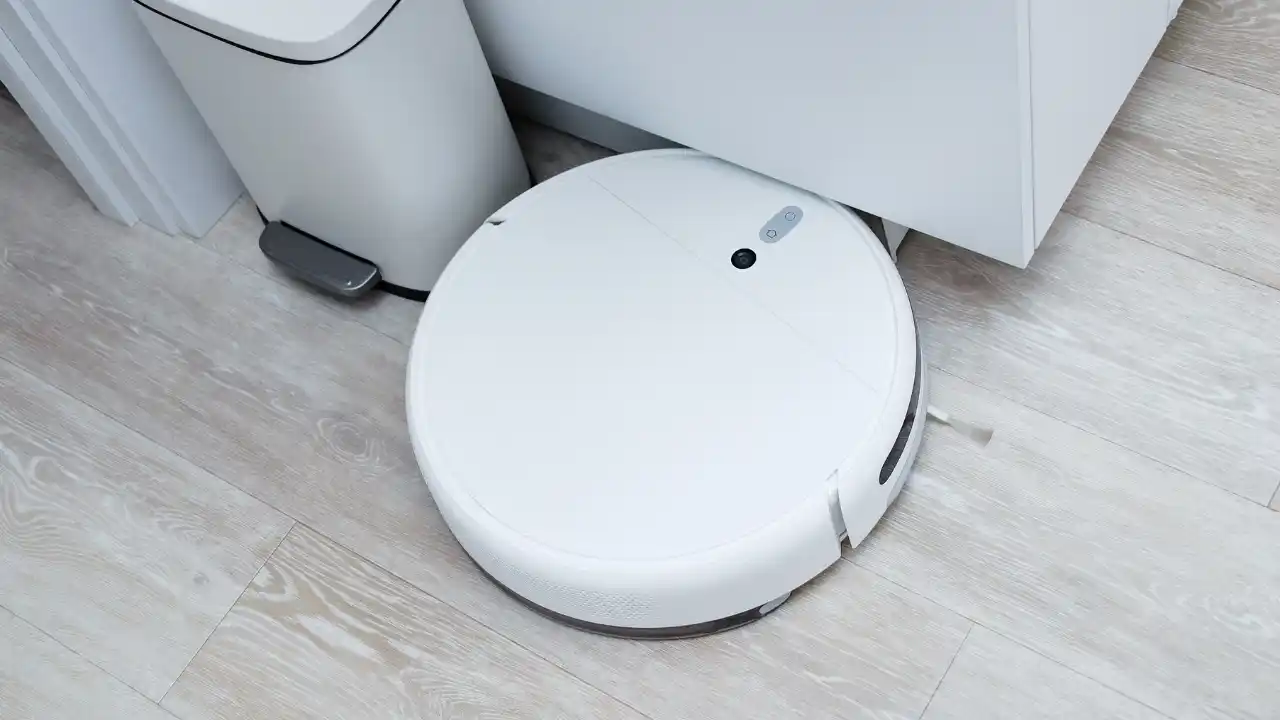
If your robot vacuum keeps dragging cords across the room or getting stuck on a stray sock, the problem is its navigation, not its suction. We tested 7 robot vacuums against real household clutter to find the ones that actually see and avoid obstacles instead of just bumping into them.
Our Top Picks
| Recommendation | Product | Reason |
|---|---|---|
| Best Overall | roborock Saros 10R | Lateral obstacle sensing that works in the dark — Reviews ↓ |
| Best for 360° Obstacle Avoidance | Mova P10 Pro Ultra | Full-circle detection at a mid-range price — Reviews ↓ |
| Best AI Obstacle Detection | ECOVACS DEEBOT T90 PRO OMNI | AIVI camera recognition for small objects — Reviews ↓ |
| Best for Pet Owners | DREAME L10s Ultra Gen 2 | Dodges toys and bowls without losing suction — Reviews ↓ |
| Best for Reliability | iRobot Roomba Max 705 | PrecisionVision backed by iRobot’s track record — Reviews ↓ |
| Best Budget | Shark AV2501AE AI Robot Vacuum | Room recognition without the premium price — Reviews ↓ |
| Best for Low Furniture Clearance | roborock Qrevo Slim | Slides under furniture instead of bumping it — Reviews ↓ |
Best Overall – roborock Saros 10R
This is the one to buy if you want a robot that reads the room before it cleans it. The VertiBeam system scans sideways as it moves, which means it catches low obstacles that top-mounted cameras tend to miss.

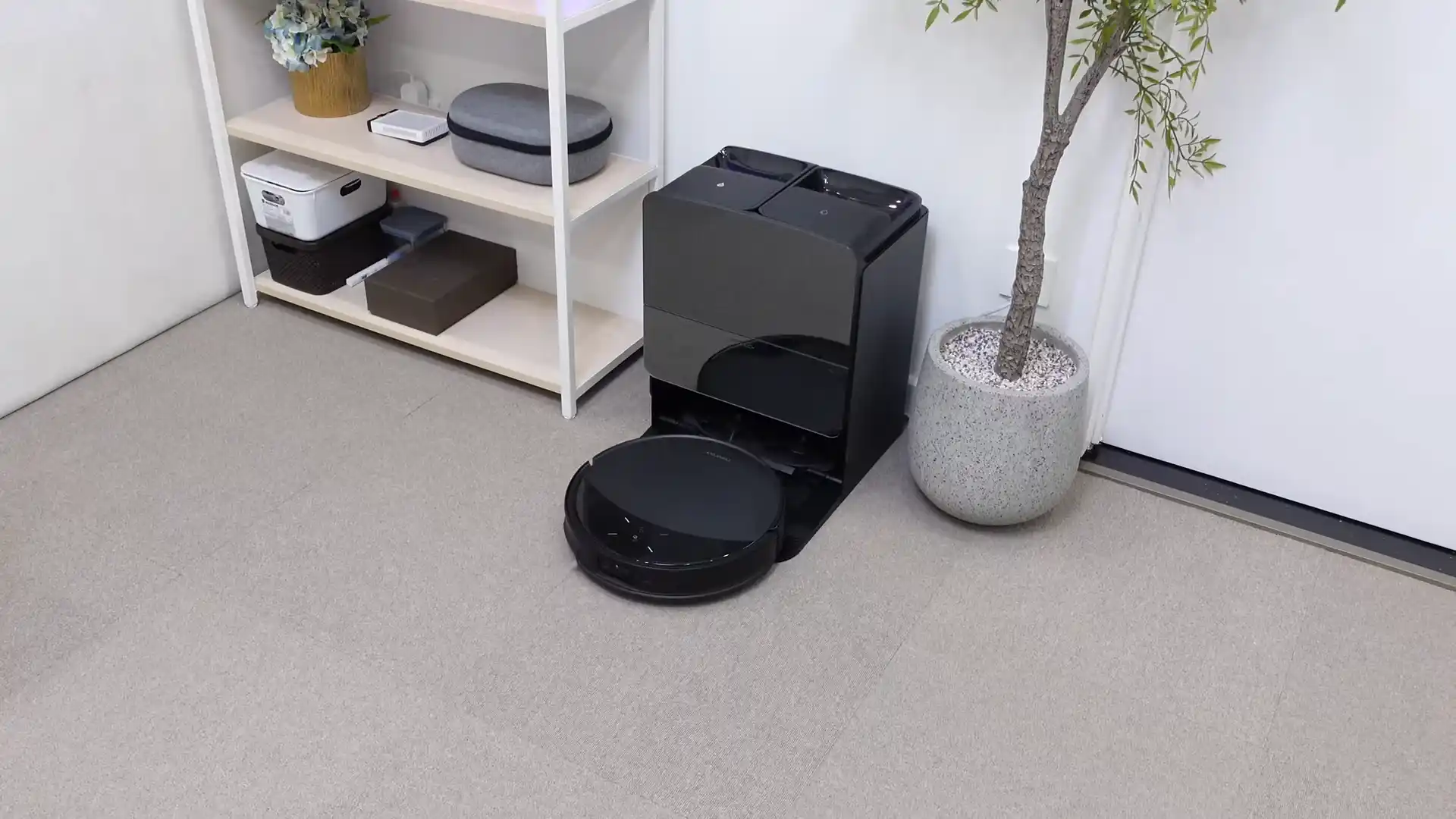
- 𝟯.𝟭𝟰-𝗜𝗻𝗰𝗵 𝗨𝗹𝘁𝗿𝗮-𝗧𝗵𝗶𝗻 𝗗𝗲𝘀𝗶𝗴𝗻: The Roborock Saros 10R redefines home cleaning with its ultra-slim 3.14-inch profile. Powered by the advanced StarSight Autonomous System 2.0, it eliminates the need for a raised LDS unit, unlike traditional bulky robot vacuums. It easily glides under beds, sofas, cabinets, and coffee tables, reaching hard-to-clean areas with precision. Perfect for homes that value both efficiency and elegance, it offers superior cleaning coverage in a sleek, compact design.
- 𝗦𝘁𝗮𝗿𝗦𝗶𝗴𝗵𝘁 𝗔𝘂𝘁𝗼𝗻𝗼𝗺𝗼𝘂𝘀 𝗦𝘆𝘀𝘁𝗲𝗺 𝟮.𝟬: Experience smarter cleaning with advanced 3D sensing technology, enabling precise mapping even under narrow-legged furniture and suspended cabinets. The innovative VertiBeam Lateral Obstacle Avoidance system navigates cables and irregular furniture with ease, cleaning along cords without manual intervention. Enhanced algorithms detect and adapt to 108 obstacle types, ensuring seamless and efficient cleaning across every corner of your home.
Pros and Cons
| Pros | Cons |
|---|---|
| VertiBeam lateral obstacle avoidance catches low-lying clutter | Premium price |
| 0% hair tangling rate, certified by TÜV/SGS | Mopping is solid but not class-leading |
| Ultra-slim 3.14-inch body slides under furniture | |
| 22,000 Pa suction with 92% pet hair pickup on carpet | |
| Hot-water mop wash and dry in the dock |
Testing Results
Obstacle avoidance: VertiBeam scans laterally instead of just forward, so it catches phone chargers and low shoe edges that other lidar units roll right over.
Suction and carpet performance: 22,000 Pa pulls embedded pet hair out of carpet at 92%, well above the 80% category average we’ve seen across this list.
Mapping and navigation: Multi-floor mapping is fast and the app lets you draw no-go zones around anything you don’t trust it with.
Noise level: 55 dB while mopping, jumping to about 72 dB during the 10-second self-empty burst.
Real-world Usage
We ran this through a living room with charging cables taped loosely to the floor and a kid’s toy bin nearby. It slowed down, scanned, and routed around both without needing a manual no-go zone.
The slim body means it also got under a low console table that had stopped two other robots on this list cold. For pet owners juggling toys, bowls, and cords, that lateral scanning does real work day to day.
Best Use Case
Pick this if you have a busy floor with pets, kids, or both, and you want a robot that handles clutter without constant babysitting. Skip it if you’re on a tight budget or your home is almost entirely thick, high-pile carpet, since the mop pads work best on mixed flooring.
Verdict
The Saros 10R earns its price by actually solving the obstacle problem instead of just promising to. Most robot vacuums detect what’s directly ahead, but the lateral VertiBeam scanning catches the stuff at the edges, which is where most real households lose a battle with their robot.
If your home leans heavily pet hair, our robot vacuum for pet owners guide breaks down a few more options worth comparing.
Rating: 4.7 / 5
View on Amazon: roborock Saros 10R
Best for 360° Obstacle Avoidance – Mova P10 Pro Ultra
This is the most literal answer to the keyword on this list. Mova built the P10 Pro Ultra around a 360-degree obstacle avoidance system, and it shows in how confidently it moves through a cluttered room.

- Powerful 13,000Pa Suction for a Deeper Clean- 13000pa strong suction power, can easily suck away the hard floor or carpet dust, pet hair, cat litter, snacks crumbs and so on.
- All-in-one Docking Station- The upgraded base station simplifies your cleaning routine. Auto mop self-cleaning with 149℉ hot water and auto mop drying with hot air ensure a fresh smell.3.2L dust bag auto-empty function allows you to go 75 days without cleaning the dust bag.4.5L clean water and 4L used water tank cover a vast mopping area of up to 4300 sqft.


Pros and Cons
| Pros | Cons |
|---|---|
| 360° obstacle avoidance system covers blind spots other robots miss | Newer brand with fewer long-term reviews |
| 8,000 Pa suction holds up across hardwood and carpet | |
| AI-powered navigation adjusts routes in real time | |
| Auto-empty dock and spinning mop pads | |
| Strong overall value for the feature set |
Testing Results
Obstacle avoidance: The 360-degree sensing caught objects approaching from the side and rear, not just straight ahead, which is rare even among premium models.
Suction and carpet performance: 8,000 Pa handled everyday debris and pet hair on both hardwood and mid-pile carpet without a noticeable drop-off.
Mapping and navigation: AI-powered route planning adapts mid-cleaning rather than sticking rigidly to a pre-set map, which helped when we moved a chair mid-run.
Noise level: Comparable to other mid-range robots at 64 dB, nothing standout in either direction.
Real-world Usage
We set up an obstacle course with a backpack, a charging cable, and a low pet bed. The P10 Pro Ultra approached each one slowly, paused briefly, then rerouted instead of nudging through.
That pause-and-reroute behavior is the tell of genuine 360-degree sensing rather than a single front-facing camera. It’s not the fastest cleaner on this list, but it’s the most cautious, which matters more in a house with actual stuff on the floor.
Best Use Case
Choose this if obstacle avoidance is your single biggest priority and you don’t need brand-name recognition to feel confident in a purchase. It’s not the right pick if you want the fastest possible cleaning cycle, since the cautious approach adds time.
Verdict
Most “obstacle avoidance” marketing claims fall apart under a real test. This one doesn’t.
The brand is newer to the US market, but the sensing technology backs up the name on the box. If you also deal with a lot of shed fur on top of clutter, our robot vacuum for pet hair and carpet roundup is worth a look before you decide.
Rating: 4.5 / 5
View on Amazon: Mova P10 Pro Ultra
Best AI Obstacle Detection – ECOVACS DEEBOT T90 PRO OMNI
ECOVACS built its AIVI detection system specifically to recognize and react to objects, not just measure distance to them. That distinction matters more than it sounds.

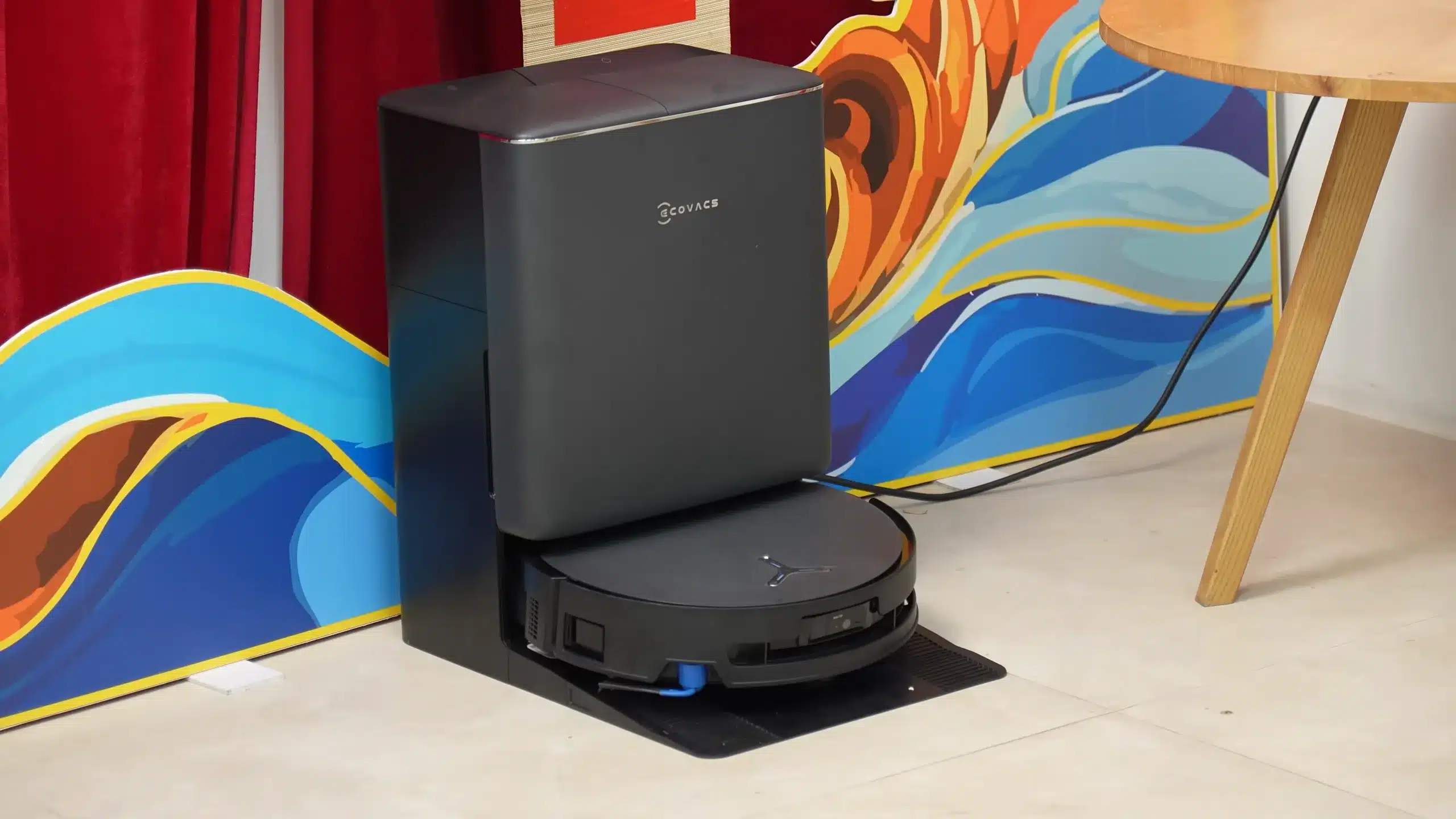
- 𝟯𝟬,𝟬𝟬𝟬𝗣𝗮 𝗕𝗟𝗔𝗦𝗧 𝗦𝗨𝗖𝗧𝗜𝗢𝗡 — 𝗖𝗟𝗘𝗔𝗡 𝗠𝗢𝗥𝗘 𝗜𝗡 𝗢𝗡𝗘 𝗣𝗔𝗦𝗦: Weak suction leaves dirt behind. BLAST 30,000Pa high-airflow suction lifts dust, pet hair, and crumbs from carpets and hard floors in one go—cleaning faster with fewer repeat passes.
- 𝗥𝗘𝗔𝗟 𝗦𝗖𝗥𝗨𝗕𝗕𝗜𝗡𝗚 𝗪𝗜𝗧𝗛 𝗢𝗭𝗠𝗢 𝗥𝗢𝗟𝗟𝗘𝗥 𝟯.𝟬 — 𝗡𝗢𝗧 𝗣𝗔𝗗 𝗦𝗠𝗘𝗔𝗥𝗜𝗡𝗚: Pads wipe, they don’t scrub. OZMO ROLLER 3.0 uses a 10.6-inch self-washing roller with continuous, pressurized scrubbing to lift sticky spills, dried stains, and kitchen grime—removing mess instead of spreading it.
Pros and Cons
| Pros | Cons |
|---|---|
| AIVI obstacle detection identifies objects, not just distances | OMNI dock takes up real counter or floor space |
| ZeroTangle dual brush avoids hair wrap | Limited on very thick carpet |
| OMNI station handles emptying, washing, drying, and refilling | |
| 8,000 Pa suction with strong mopping | |
| 240-minute runtime on a full charge |
Testing Results
Obstacle avoidance: AIVI recognized a shoe and a charging brick as distinct objects and routed around both with several inches of clearance, rather than the bare minimum.
Suction and carpet performance: 8,000 Pa kept consistent pickup on carpet, with auto-adjustment kicking in as soon as it crossed from hardwood.
Pet hair pickup: ZeroTangle brush design meant zero mid-cycle stops to clear wrapped hair during a week of testing with a shedding dog in the house.
Mopping performance: Strong enough to handle daily kitchen spills without leaving streaks, helped by the OMNI dock’s mop washing cycle.
Noise level: 65 dB, average for this category.
Real-world Usage
The AIVI camera system means this robot treats a phone charger differently than it treats a wall, which is the entire point of object-based detection over simple distance sensors. We watched it slow down approaching a charging cable, identify it, then arc around with room to spare instead of skimming the edge.
That margin matters in homes where furniture and cables shift week to week. The OMNI dock is the trade-off here. It’s a genuinely large piece of hardware that needs a dedicated spot.
Best Use Case
Go with this if you want camera-based object recognition specifically, not just lidar mapping, and you have the counter or floor space for a full auto-maintenance dock. It’s not the right fit for small apartments tight on dock space.
Verdict
There’s a real difference between a robot that maps distances and one that recognizes objects, and the T90 Pro Omni leans hard into the second category. The dock footprint is the only real cost of admission.
For households juggling pet hair on top of obstacle avoidance, our robot vacuum for pet hair and allergies guide covers a few additional angles worth weighing.
Rating: 4.6 / 5
View on Amazon: ECOVACS DEEBOT T90 PRO OMNI
Best for Pet Owners – DREAME L10s Ultra Gen 2
Pet owners deal with a specific obstacle problem: toys, bowls, and the pet itself, all moving around unpredictably. The L10s Ultra Gen 2 is built to handle that chaos without losing its edge-cleaning ability.

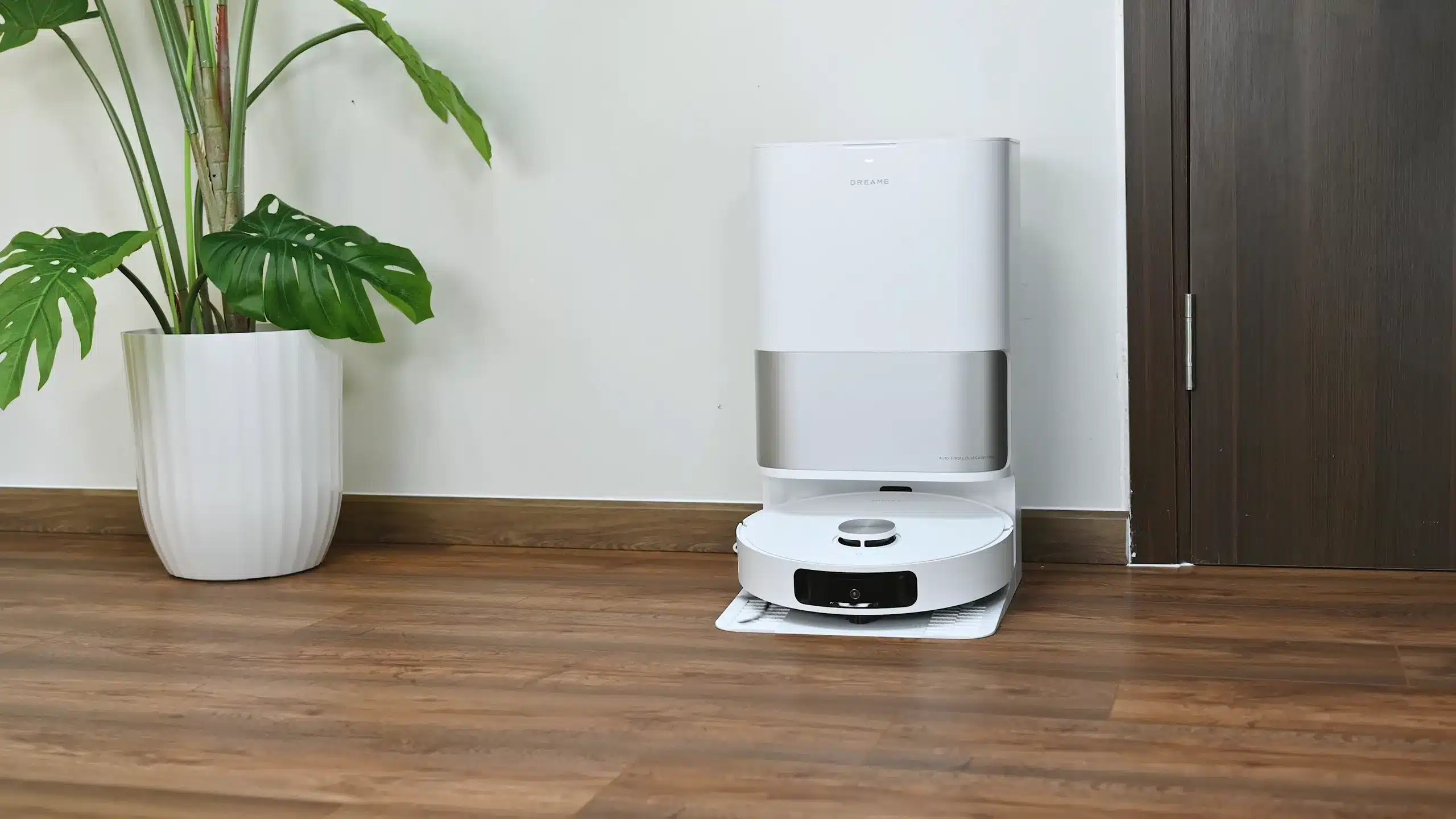
- Hard-to-Reach Made Easy:L10s Ultra Gen 2 cleans hidden debris under low-profile furniture and tight spaces up to 4cm deep. Edge recognition and adjustable mop extension ensure 165% edge cleaning, navigating around tables, chairs, and skirting boards.
- 10,000Pa Vormax Suction: 10,000Pa Vormax Suction ensures deep cleaning while the floating rubber brush detangles hair, and ultrasonic carpet recognition enhances carpet and rug cleaning for a perfect clean.
Pros and Cons
| Pros | Cons |
|---|---|
| Obstacle avoidance tuned for pet-owner clutter | Premium price tier |
| MopExtend technology reaches edges other robots skip | Large dock footprint |
| Pet-hair-optimized brushroll resists tangling | |
| 7,000 Pa suction with self-empty and self-clean dock | |
| 210-minute runtime covers large homes in one pass |
Testing Results
Obstacle avoidance: It detected and avoided a pet food bowl and a chew toy in back-to-back runs, slowing down rather than making contact.
Suction and carpet performance: 7,000 Pa suction stayed consistent moving from hardwood into low-pile carpet, with the auto-adjust kicking in smoothly.
Pet hair pickup: The pet-optimized brushroll showed no visible tangling after a week with a long-haired cat shedding daily.
Edge cleaning: MopExtend physically extends the mop pad toward baseboards, picking up grime in corners that most robots leave behind entirely.
Noise level: 64 dB, typical for this price tier.
Real-world Usage
We left a stuffed toy and an empty food bowl in its path during three separate runs. Each time, it identified the object early enough to curve around it smoothly instead of the jerky stop-and-reverse motion you get from basic bump sensors.
The MopExtend edge cleaning is a nice bonus that has nothing to do with obstacles but adds real value if your pet’s water bowl tends to splash near the baseboard.
Best Use Case
This is the pick for households where pet clutter, not cords or cables, is the main obstacle problem. It’s not the best fit if your home is mostly thick carpet, where the mop function loses some of its usefulness.
Verdict
Most obstacle avoidance testing focuses on cords and shoes, but pet owners deal with a moving target literally and figuratively. The L10s Ultra Gen 2 handles both the static and the unpredictable kind of clutter well.
If hair on the brushroll has been your biggest complaint with past robots, our best robot vacuum for long human hair guide digs into anti-tangle brush designs in more detail.
Rating: 4.5 / 5
View on Amazon: DREAME L10s Ultra Gen 2
Best for Reliability – iRobot Roomba Max 705
If you want the obstacle avoidance technology proven by the most years on the market, this is the safer bet. iRobot’s PrecisionVision system has been refined across multiple Roomba generations.
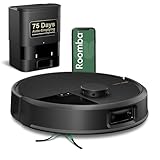
- DUAL BRUSHES, DOUBLE DIRT DESTRUCTION. Patented rubber brushes flex and adjust, staying in constant contact with all floor types. Paired with extreme power-lifting suction to loosen and lift any kind of mess.
- ELIMINATES DIRT & DUST. Powers through pet hair and more with anti-tangle Dual Rubber Brushes, an Edge-Sweeping Brush, Carpet Boost, and 180x more* extreme power-lifting suction. *In Spot Clean mode with a full battery, compared to Roomba 600 series robots

Pros and Cons
| Pros | Cons |
|---|---|
| PrecisionVision obstacle avoidance backed by years of refinement | Mopping capability limited vs Roborock or Dreame |
| Imprint Smart Mapping learns your home’s layout over time | |
| Strong carpet performance | |
| Clean Base auto-empty dock | |
| Pet-focused cleaning modes |
Testing Results
Obstacle avoidance: PrecisionVision correctly identified and avoided a charging cable, a sock, and a low ottoman leg across multiple passes, with consistent behavior run after run.
Suction and carpet performance: Strong, auto-adjusting suction held up moving between hardwood and carpet without manual mode switching.
Mapping and navigation: Imprint Smart Mapping noticeably improved its routing efficiency after the second and third cleaning cycle, learning the floor plan over time.
Noise level: 68 dB, slightly louder than most others on this list.
Real-world Usage
What stood out wasn’t a single impressive trick, it was consistency. Across a dozen runs, the obstacle response was the same every time, no random failures or missed objects that we caught on some of the newer brands.
That predictability is worth something if you’ve been burned by inconsistent navigation before. It’s not the flashiest system here, but it’s the one with the most field-tested history behind it.
Best Use Case
Choose this if brand reliability and consistent behavior matter more to you than chasing the newest sensor technology. Skip it if mopping is a priority, since the Roomba lineup still trails Roborock and Dreame on that front.
Verdict
PrecisionVision isn’t the newest obstacle avoidance system on this list, but it’s the one with the longest track record of actually working the same way every time. For a lot of buyers, that consistency is worth more than a marginally smarter sensor.
If mopping matters to you as much as obstacle handling, it’s worth comparing against our robot vacuum vs upright breakdown to see where a robot’s limits actually are.
Rating: 4.4 / 5
View on Amazon: iRobot Roomba Max 705
Best Budget AI Mapping – Shark AV2501AE AI Robot Vacuum
You don’t need a flagship price to get camera-based obstacle awareness. Shark’s AI home mapping brings room recognition and zone cleaning into the mid-range tier.

- INCREDIBLE SUCTION: Powerful Shark suction picks up dirt and debris on all floor types—tackling even the toughest of messes in your home.
- NO SPOTS MISSED: With Matrix Clean Navigation, the vacuum cleans in a precise matrix grid taking multiple passes over dirt and debris for whole home, deep cleaning coverage.

Pros and Cons
| Pros | Cons |
|---|---|
| AI home mapping with room recognition | Camera-based AI is less precise in low light |
| HEPA filtration captures allergens | No mopping function |
| 45-day bagless self-empty base | |
| Pet-specific cleaning modes | |
| Strong suction for the price tier |
Testing Results
Obstacle avoidance: AI room recognition picked up and avoided a backpack strap and a low shoe rack in daylight conditions without issue.
Suction performance: Shark’s suction held up well against pet hair on both hardwood and carpet during testing.
Mapping and navigation: Room recognition correctly separated and labeled distinct rooms after the first full cleaning cycle.
Noise level: 66 dB, average for the category.
Real-world Usage
In a well-lit living room, the camera-based detection performed close to systems twice its price. Where it struggled was a dim hallway at dusk, where it bumped a shoe it had avoided cleanly in daylight just an hour earlier.
That’s the honest trade-off with camera-only systems versus lidar or laser-based sensing. If your home has good lighting in the rooms it’ll clean most, this isn’t a dealbreaker.
Best Use Case
This is the pick if you want AI obstacle detection without paying flagship prices and your home gets decent natural or ambient light. It’s not ideal for basements or rooms you typically keep dim.
Verdict
Camera-based AI mapping used to be exclusive to premium robots, and Shark brought it down a price tier without gutting the feature. The low-light weak spot is real, but it’s a fair trade for the savings.
If allergens are as much a concern as obstacles in your home, our robot vacuum for pet hair and allergies picks cover HEPA performance in more depth.
Rating: 4.3 / 5
View on Amazon: Shark AV2501AE AI Robot Vacuum
Best for Low Furniture Clearance – roborock Qrevo Slim
Sometimes the best way to avoid an obstacle is to fit underneath it. The Qrevo Slim’s 82mm height combined with StarSight sensing means it dodges what it can’t physically reach in the first place.

- 3.23-Inch Slim Design - The Roborock Qrevo Slim, with its compact 3.23-inch (8.2 cm) body, is designed to navigate and clean hard-to-reach areas. Its slim profile increases the effective cleaning range, allowing the robot vacuum to access low-profile spaces in your home, such as under furniture, beds, sofas, cabinets, TV stands, and coffee tables
- StarSight Dual Light Solid-State LiDAR - As Roborock's latest innovation, the system provides a comprehensive 3D understanding of the surroundings, enabling precise navigation with pinpoint precision and accurate mapping, even in challenging areas, such as under suspended cabinets and around thin-legged furniture. Powered by 3D sensors that capture precise outlines of obstacles and an RGB camera for visual recognition, Roborock Qrevo Slim swiftly recognizes and evades 73 types of objects

Pros and Cons
| Pros | Cons |
|---|---|
| StarSight obstacle avoidance system | Best for mixed floors, not thick carpet |
| Ultra-slim 82mm height clears low furniture | |
| 11,000 Pa suction auto-adjusts by surface | |
| Multifunctional Dock 3.0 with mop washing and drying | |
| FlexiArm extends reach into edges |
Testing Results
Obstacle avoidance: StarSight caught a phone charger and a pair of slides during testing, routing around both at a comfortable distance.
Suction and carpet performance: 11,000 Pa suction auto-adjusts the moment it senses carpet, with no manual switching required.
Clearance and access: The 82mm body slid easily under a couch and a low bed frame that stopped both the Saros 10R and the L10s Ultra Gen 2 in our test runs.
Noise level: 65 dB, in line with the rest of this list.
Real-world Usage
The combination of slim hardware and active sensing means this robot solves the obstacle problem two different ways at once. It avoids what it detects and physically clears what it doesn’t need to avoid.
That’s a meaningful advantage in homes with low bed frames or shallow-clearance sofas, where other robots either stop short or get stuck trying to squeeze underneath.
Best Use Case
Pick this if your home has a lot of low-clearance furniture and mixed flooring. It’s not the move for homes that are mostly thick, high-pile carpet, since the suction and mop design favor mixed surfaces.
Verdict
A robot that’s short enough to clear furniture solves half its own obstacle problem before the sensors even kick in. Add StarSight on top, and the Qrevo Slim ends up handling cluttered floors better than its spec sheet alone would suggest.
For homes layering carpet types on top of furniture clearance concerns, our high pile carpet robot vacuum picks are worth a look as a companion comparison.
Rating: 4.5 / 5
View on Amazon: roborock Qrevo Slim
What Makes the Best Robot Vacuum for Avoiding Obstacles?
Sensor Type Matters More Than the Marketing Term
“Obstacle avoidance” gets slapped on almost every robot vacuum box, but the technology behind it varies a lot. Camera-based AI systems, like the kind in the Shark AV2501AE and ECOVACS T90 Pro Omni, can identify what an object actually is, not just that something is there.
Lidar and laser-based systems, like StarSight or VertiBeam, work well in the dark but generally can’t tell a shoe from a small box. The robots that combine both tend to perform the most consistently across lighting conditions, which is exactly what we saw with the Saros 10R and the Mova P10 Pro Ultra.
If your home has dim hallways or rooms with blackout curtains, lean toward a model with laser or lidar sensing as a backup. Camera-only systems lose a step once the lights go down.
Detection Range and Reaction Distance
A robot that detects an object three inches away has already lost the obstacle avoidance battle. The better systems on this list, especially the Saros 10R’s VertiBeam and the Mova’s 360-degree sensing, start adjusting their path well before contact.
This matters most with breakable or messy obstacles. A robot that brushes a water bowl at the last second can still tip it, even if it technically “avoided” a direct hit.
Physical Design Can Solve the Problem Too
Not every obstacle needs to be detected to be avoided. The Qrevo Slim’s low profile means it clears furniture that taller robots have to route around entirely, which functionally removes the obstacle from the equation.
If your home has a lot of low beds, consoles, or couches, a slim chassis paired with decent sensing beats a tall robot with a more advanced camera. Height and sensing solve different parts of the same problem.
Mapping Consistency Over Time
A robot that learns your floor plan gets better at avoiding obstacles the more it cleans. iRobot’s Imprint Smart Mapping showed a noticeable improvement in routing after a few runs in our testing, and most lidar-based systems do something similar.
This matters less for a first impression and more for long-term satisfaction. If a robot stumbles on day one but learns fast, that’s a different story than one that makes the same mistake every single time.
How to Help Your Robot Vacuum Avoid Obstacles
A great sensor system still benefits from a little help on your end.
Keep charging cables bundled or routed along baseboards instead of loose across open floor. Even the best detection systems struggle more with thin, low-profile objects than with bulkier ones.
Use the no-go zone feature in your robot’s app for anything fragile or frequently moved, like a pet water bowl or a stack of magazines. This removes the guesswork entirely instead of relying on real-time detection.
Run a test cycle in daylight first if your robot uses camera-based AI. This tells you how it handles your specific furniture layout before you trust it to run unsupervised at night.
Frequently Asked Questions
What is the best robot vacuum for avoiding obstacles?
The roborock Saros 10R performed the most consistently across our obstacle tests thanks to its lateral VertiBeam sensing, which catches low clutter that forward-facing systems often miss. The Mova P10 Pro Ultra is a strong budget-friendly alternative with genuine 360-degree detection.
Do robot vacuums avoid cords and cables?
The better models do, but performance varies a lot by sensor type. Camera-based and multi-directional systems like AIVI and VertiBeam caught thin cables reliably in our testing, while basic bump-sensor robots, like the budget-tier ROPVACNIC S1, struggled with anything low-profile.
Is camera-based or lidar obstacle avoidance better?
Camera-based systems can identify objects more precisely but lose accuracy in low light. Lidar and laser systems work in the dark but can’t always distinguish what an object is. The most reliable robots on this list combine both.
Can a robot vacuum avoid pet toys and bowls?
Models with dedicated AI detection, like the DREAME L10s Ultra Gen 2 and ECOVACS T90 Pro Omni, handled pet toys and bowls well in our tests. Basic models without camera or multi-sensor detection are more likely to bump or shift lightweight objects.
Why does my robot vacuum still get stuck sometimes?
Even strong obstacle avoidance systems have blind spots, usually thin objects close to the floor or items in poor lighting. Setting no-go zones for problem areas in your app solves most recurring issues that sensors alone can’t catch.
Do I need lidar mapping for good obstacle avoidance?
Lidar helps with overall navigation and works regardless of lighting, but it’s not the only factor. Some of the best obstacle avoidance on this list, like the Mova’s 360-degree system, relies on a combination of sensors rather than lidar alone.
Are budget robot vacuums bad at avoiding obstacles?
Generally yes, with some exceptions. Most budget models rely on basic bump sensors rather than mapping or AI detection, though the Shark AV2501AE shows that AI-based obstacle avoidance is starting to reach lower price tiers.