How to Clean Travertine Tile Shower Walls and Floors Without Etching the Stone
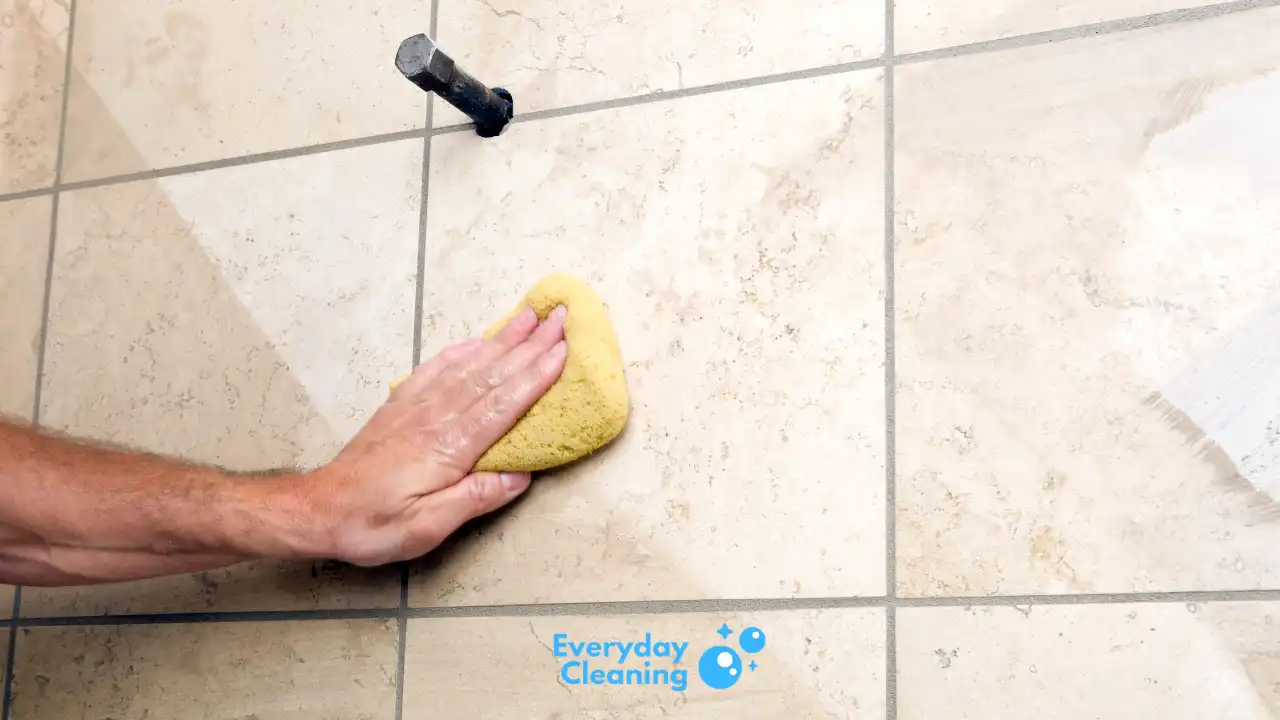
If your travertine shower looks dull, cloudy, or never quite clean, the cleaner is probably the problem. Vinegar and standard bathroom sprays can etch this stone, and etching is permanent. Here is how to clean a travertine tile shower safely, from picking the right cleaner to rinsing and drying.
What You’ll Need
- A pH-neutral cleaner made for natural stone (like Weiman)
- A deck brush or soft-bristle brush for the floor
- A non-scratch scrub pad
- A squeegee and microfiber towels
Why a Travertine Tile Shower Needs Special Care
Travertine is natural limestone. It is mostly calcium carbonate, and acid dissolves that. Vinegar, lemon juice, and many tub and tile sprays are acidic, so even one wipe can leave dull, rough patches.
The stone is also porous. Soap, body oil, and minerals soak into the tiny pits and holes, which is why it can look dirty even right after you scrub. Sealer slows that down, but it does not stop it.
Standard ceramic tile can handle stronger products. If that is what you have, our guide on how to clean shower tiles is the better fit. Travertine needs a gentler routine.
How to Clean a Travertine Tile Shower, Step by Step
Step 1: Check the Finish and Test a Hidden Spot
Travertine comes polished, honed, or tumbled. Polished stone scratches and dulls the easiest, so it needs the softest tools.
Test your cleaner on a small hidden area, like a low corner of the wall. Let it dry and look for dull spots or color changes.
Also check for loose grout or crumbling filler in the holes. Those areas need a lighter touch.
Step 2: Mix the Cleaner
Most stone cleaner concentrates call for one part cleaner to ten parts water. For heavy buildup, one to four is stronger, but only if the label allows and your spot test looks fine.
Don’t want to mix? A ready-to-use bottle like Weiman stone cleaner is pH-neutral and safe for travertine. Just check the label says natural stone, and expect to pay more per ounce.
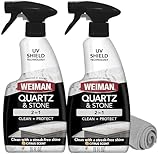
- SPECIALLY FORUMULATED CLEANER FOR QUARTZ: The #1 newly installed kitchen countertop surface. Our pH neutral formula safely removes grease, soil, surface stains, and watermarks. Using multi-purpose cleaners not formulated for quartz can result in streaking, and unsightly residue
- SUPERIOR PROTECTION: Helps protect the resins in quartz and other stones from fading or darkening from sunlight exposure
Step 3: Wet the Shower, Then Apply the Cleaner
Rinse the walls and floor with plain water first. Wet stone absorbs less cleaner, which helps prevent blotchy results.
Spray the walls starting low and working up. That keeps drips from leaving clean streaks. Pour the bucket solution over the floor and spread it with a deck brush.
Wear gloves and run the vent fan while you work. Never mix stone cleaner with bleach or ammonia.
Step 4: Let It Dwell for 10 to 15 Minutes
Give the cleaner time to break down soap film and body oils. Do not let it dry on the stone. If a section starts to dry, mist it again.
This is the step most people rush. Waiting does more work than scrubbing harder.
Step 5: Scrub Gently
A green non-scratch pad works well on honed or tumbled travertine. On polished stone, use a white pad or a soft-bristle brush instead. Test the pad in your hidden spot first.
Use a deck brush on the floor. A soft toothbrush handles grout lines and the pits in the stone.
Never use steel wool, a wire brush, or gritty scouring powder. They scratch the surface and leave marks you cannot clean away.
Step 6: Rinse Really Well
Rinse from the top of the walls down, then finish with the floor. Leftover cleaner leaves a film that attracts new dirt.
Dirty water running off means the cleaner is working. If the stone still looks cloudy, repeat the process once.
Step 7: Squeegee and Dry
Squeegee the walls and towel off the floor. Run the vent fan or leave the door open so the stone dries fully.
Drying also prevents water spots from forming as minerals dry on the surface.
How to Handle Soap Scum, Hard Water, and Mildew
Soap scum is the most common problem. Use the same stone cleaner with a longer dwell time and a second round. Stronger chemicals are not the answer here.
Hard water leaves a chalky white film. Most hard water removers are acidic, so keep them off the stone. Squeegee after every shower to stop minerals from drying on the surface.
If your shower also has a glass door, our guide to cleaning limescale from shower glass can help. Just keep those products from running onto the travertine.
For mildew, scrub with the stone cleaner and a soft brush. Skip chlorine bleach, since it can discolor stone and wear down the sealer. If it keeps coming back, the real fix is better airflow.
Common Mistakes to Avoid
- Using vinegar, lemon juice, or any cleaner that lists citric, phosphoric, or hydrochloric acid. Check the label every time.
- Letting the cleaner dry on the stone.
- Skipping the full rinse.
- Scrubbing with abrasive pads or powders.
- Using bar soap, which leaves more scum on porous stone than liquid body wash.
How to Keep a Travertine Shower Clean Longer
Sealing is the biggest factor. Use a penetrating sealer made for natural stone, and apply it only after the stone is completely dry. Follow the product directions for dry time.
To check your sealer, sprinkle a little water on the stone. If it soaks in and darkens the spot, the stone needs resealing.
Showers take a beating, so it is smart to check once a year. Sealed stone also releases soap film more easily, so you scrub less each time.
Between deep cleans, squeegee after each use and wipe the walls weekly with a light mix of your stone cleaner. Keep shampoo bottles in a caddy so they are not sitting on the stone and leaving rings.
Polished, Honed, or Tumbled: Know Your Finish First
The finish changes how you clean. Same stone, different tolerance for scrubbing.
Polished travertine has a glossy, mirror-like face. It shows scratches and etch marks the fastest, so it needs soft pads and extra care.
Honed travertine has a smooth, matte look. It hides small flaws better and is the most common finish in showers.
Tumbled travertine has rounded edges and a rougher, rustic surface. Dirt settles into the texture, so it usually needs a bit more brushing.
Not sure which you have? Run a hand over a tile. Glossy means polished, smooth and flat means honed, and rough edges mean tumbled.
Frequently Asked Questions
Can I use vinegar to clean a travertine shower?
No. Vinegar is an acid, and it etches travertine on contact. The stone loses its shine and turns rough in that spot. Stick with a pH-neutral cleaner made for natural stone.
How often should I clean a travertine tile shower?
Squeegee after each shower and do a light wipe-down once a week. A full deep clean every month or two is enough for most households. Heavy use or hard water may call for more often.
How do I clean the grout lines between travertine tiles?
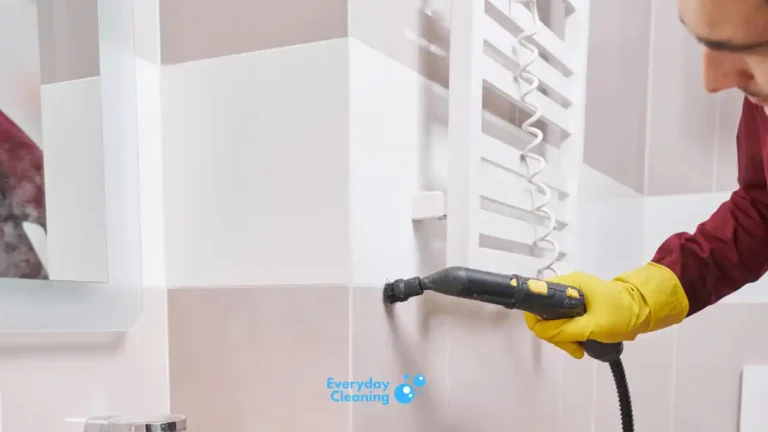
Use the same stone cleaner and a soft toothbrush. If you want to try steam, our guide on how to clean grout with a steam cleaner explains the technique. Keep the heat low and test a hidden spot first.
Can I use a steam cleaner on travertine?
Sometimes, on sealed stone. Heat and moisture can loosen filler in the holes and weaken sealer, so go slowly and test first. For general bathroom steam cleaning tips, see how to use a steam cleaner in the bathroom.
Will steam get rid of mold on travertine?
Steam can kill surface mold, but it does not fix the damp conditions behind it. Our breakdown on whether a steam cleaner kills mold covers what steam can and cannot do. Better ventilation and drying keep it from coming back.
How long should I wait to use the shower after sealing?
Follow the sealer’s directions, since cure times vary by product. Many call for a full day or more before the stone gets wet. Rushing it can leave streaks and weaken the seal.
Can I use baking soda on travertine?
It is mild, but it is also gritty. It can dull polished stone, so skip it there. On honed or tumbled stone, test a hidden spot first and rinse it off completely.